
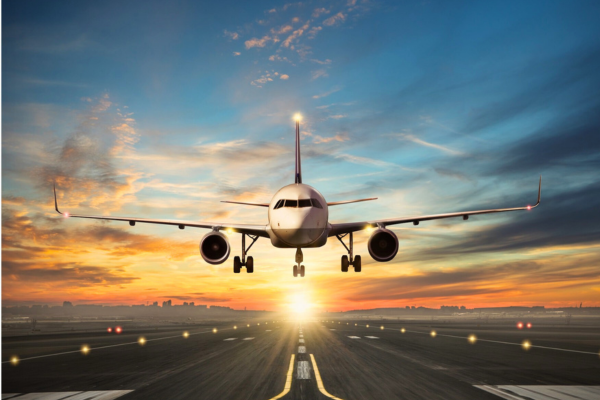
Rising fuel costs are creating winners and losers in the US airline industry, with financially stronger carriers continuing to invest in premium products while weaker rivals struggle to keep up.
Executives from United Airlines, Southwest Airlines, and Alaska Air told Reuters at the International Air Transport Association (IATA) annual meeting that higher fuel prices are widening the gap between airlines that can afford growth and those forced to conserve cash.
The trend comes as fuel prices have nearly doubled since the start of the Iran conflict, putting pressure on airline profits and balance sheets.
Premium Economy and Loyalty Programs Become Key Battlegrounds
United Airlines Chief Executive Scott Kirby said passengers increasingly choose airlines based on experience rather than price alone.
“Air travel is not a commodity,” Kirby said. “Customers care about the technology, the service, the reliability, the product.”
United expects to recover higher fuel costs through fare increases by the end of the year while continuing investments in aircraft, technology, and customer-facing services.
The airline believes its strong earnings position allows it to keep expanding even as some competitors slow spending.
Debt Financing Creates New Pressure
The challenges are becoming more visible among smaller carriers.
Last month, Spirit Airlines collapsed, raising concerns about the future of airlines with weaker margins. Meanwhile, S&P Global Ratings downgraded JetBlue Airways deeper into junk territory, citing higher fuel costs and a heavy debt burden.
Southwest Airlines Chief Operating Officer Andrew Watterson said higher borrowing costs are making it harder for indebted airlines to invest.
“If you need to borrow money, interest expense is going up,” he said. “The higher your costs, the lower your growth rate, the lower your investment in products.”
Southwest is evaluating new offerings including airport lounges, transoceanic flights, and additional premium seating as it seeks to attract higher-spending travelers.
Corporate Travel Demand Supports Alaska Air
Alaska Air says strong demand is helping offset the fuel shock. Chief Financial Officer Shane Tackett said Corporate Travel bookings for the next 90 days are running 20% to 30% above year-ago levels across most industries and regions.
The airline expects fare increases to offset much of the fuel impact later this year.
Alaska is also moving ahead with upgrades following its Hawaiian Airlines acquisition, including fully enclosed suites and expanded Premium Economy offerings on international routes.
Tackett said airlines with strong Loyalty Programs and premium revenue streams are better positioned to withstand current market pressures.
As fuel costs rise and financing becomes more expensive, industry leaders believe the gap between strong and weak airlines could continue growing for years, reshaping competition across the U.S. aviation market.
Read also: United Airlines labour contract delivers $741m aviation back pay












![Tesla Model X [Photo Credit WallpaperAccess]](https://autojournal.africa/wp-content/uploads/2023/08/Tesla-Model-X-Photo-Credit-WallpaperAccess-120x86.jpg)