For many motorists, rising fuel prices and expensive vehicle repairs have become unavoidable parts of everyday life. But one California driver has discovered that switching to a hybrid vehicle can dramatically reduce fuel costs while offering a smoother and more reliable driving experience.
His story highlights why more motorists are choosing hybrid technology as a practical alternative to conventional petrol-powered cars, especially in regions where fuel prices remain among the highest in the United States.
Southern California columnist David Allen spent 23 days without a car after his ageing 2015 Fiat became undrivable. A broken gear shifter left the vehicle stranded in a repair shop after mechanics were unable to source the replacement part, not only locally but anywhere in the United States.
During nearly a month without his car, Allen relied on buses, trains and walking to complete his daily journeys. The experience reinforced how dependent many people remain on reliable personal transport, particularly in sprawling cities across California.
The breakdown was not an isolated problem. Allen said his Fiat had already shown several warning signs that its life was nearing an end. A door handle had fallen off, the battery had failed and replacement parts had become increasingly difficult to find.
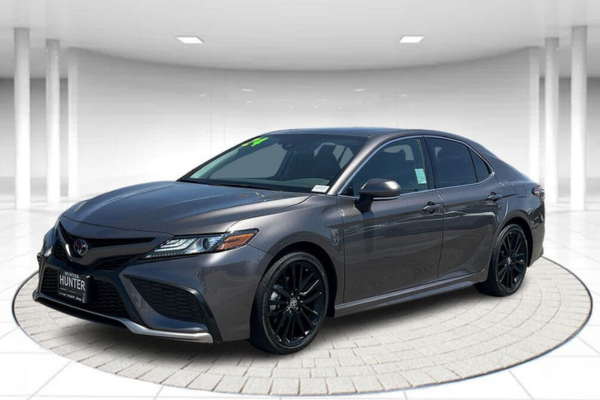
With his vehicle registration deadline approaching and repair uncertainties growing, Allen decided it was time to move on. He purchased a used 2025 Toyota Camry Hybrid for US$34,000, hoping for greater reliability and lower running costs.
The difference became obvious almost immediately.
Allen revealed that his old Fiat required a trip to the petrol station roughly every week. By comparison, the Toyota Camry Hybrid lasted an entire month on a single tank of fuel. After owning the vehicle for two months, he had visited a petrol station only twice while averaging 47 miles per gallon (mpg).
For drivers facing high fuel bills, that level of efficiency can translate into significant annual savings. It also reduces the inconvenience of frequent refuelling, making long commutes less expensive and more manageable.
The transition was not entirely straightforward.
After years of driving an older vehicle, Allen had to adjust to a range of modern technologies, including a touchscreen infotainment system, Bluetooth connectivity, reversing cameras and lane departure alerts. Features now considered standard in many new vehicles represented a major technological leap from his previous car.
Despite the learning curve, he believes the advantages far outweigh the challenges.
Hybrid vehicles combine an internal combustion engine with an electric motor and battery. The system automatically switches between power sources or uses both together, helping to maximise fuel efficiency while reducing petrol consumption.
Unlike fully electric vehicles, hybrids do not require external charging. This makes them an attractive option for drivers who want lower fuel costs without concerns about charging infrastructure or driving range.
The benefits are particularly noticeable in California, where petrol prices have consistently ranked among the highest in the United States. Every litre of fuel saved helps motorists reduce household expenses while lowering vehicle emissions.
Choosing a newer and more widely available model can also reduce maintenance headaches. Popular vehicles such as the Toyota Camry Hybrid generally benefit from stronger dealer networks, better parts availability and broader servicing expertise than ageing or less common models.
For motorists considering replacing an older vehicle, experts recommend looking beyond the purchase price. Fuel economy, maintenance history, insurance premiums and battery warranty coverage all play important roles in determining long-term ownership costs.
A thorough test drive is equally important, particularly for drivers upgrading from older vehicles to models equipped with advanced driver assistance systems and connected technology.
Looking back on his decision, Allen described the purchase as “a modest step away from Big Oil and toward the future.”
His experience reflects a growing trend among motorists seeking practical ways to reduce running costs without making the full transition to electric vehicles. For many households, hybrids are increasingly proving to be the bridge between traditional petrol cars and an electrified future.
Read also: Best fuel-efficient cars in 2026: Toyota Prius, Civic, Camry ranked high