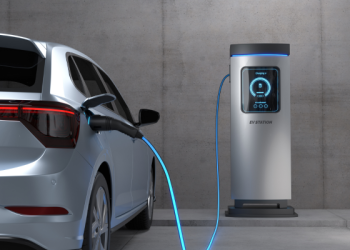
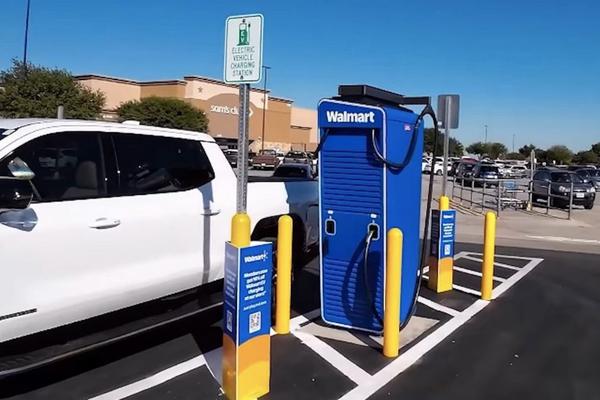
Electric vehicle drivers across the United States could soon pay less to recharge their cars as Walmart expands its fast-charging network. The retail giant is offering some of the country’s lowest charging prices, increasing competition and putting pressure on established operators such as Tesla.
Industry analysts believe the strategy could reshape public EV charging. Instead of making dedicated charging stops, drivers may increasingly recharge their vehicles while shopping, saving both time and money.
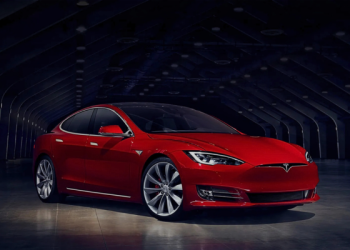
According to data analysed by EV industry commentator The Electric Viking, using charging market information from Paren, Walmart currently charges an average of 43 cents per kilowatt-hour (kWh). By comparison, Tesla Superchargers and Electrify America average around 56 cents per kWh. That difference could save drivers several dollars on every charging session, particularly those travelling long distances.
The widening price gap has prompted some analysts to describe the situation as the beginning of a “fast-charging price war.” As more operators compete for customers, charging prices are expected to become a key factor influencing where EV owners choose to recharge.
For years, EV drivers were more concerned about finding a working charger than comparing prices. However, the rapid expansion of charging networks across the United States is changing that dynamic. Reliability remains important, but affordability is becoming equally significant.
Unlike many charging providers, Walmart is building and operating its own charging network instead of relying on third-party companies. The retailer already owns the land where chargers are installed, giving it a significant cost advantage over competitors that lease property.
The company also benefits from its enormous retail footprint. Walmart operates more than 5,200 stores across the United States, with around 90% of Americans living within 10 miles of one of its locations. This nationwide presence allows the retailer to place chargers in locations that millions of customers already visit regularly.
The business model goes beyond selling electricity. Charging an electric vehicle typically takes between 20 and 40 minutes, giving customers time to shop while they wait. Industry research suggests that installing EV chargers can increase store visits by approximately 5%, providing retailers with additional opportunities to boost sales.
Rather than treating charging as a major profit centre, Walmart appears to be using it as a way to attract more customers into its stores. Even if electricity sales generate modest returns, additional spending inside the supermarket could make the overall strategy highly profitable.
Walmart has already installed more than 100 charging stations with over 800 charging stalls across the country. Each location features 400-kilowatt fast chargers equipped with both North American Charging Standard (NACS) and Combined Charging System (CCS) connectors, allowing compatibility with Tesla and most other electric vehicles. The retailer also has more than 300 additional charging sites in development.
The expansion could prove especially valuable for people who cannot install home chargers. Apartment residents, renters and urban drivers often depend on public charging infrastructure. Having reliable fast chargers at supermarkets could make EV ownership more practical for millions of households.
The growing competition may also encourage other charging companies to review their pricing strategies. If Walmart, Tesla, Ionity and other networks begin competing more aggressively, drivers could experience a market similar to petrol stations, where businesses regularly adjust prices to attract customers.
For consumers considering switching to an electric vehicle, lower charging costs and greater availability could reduce one of the biggest barriers to ownership. More affordable charging, combined with convenient locations, may accelerate EV adoption across the United States while improving the overall charging experience for existing owners.
As competition intensifies, the biggest winners are likely to be EV drivers, who could benefit from lower prices, greater convenience and a wider choice of fast-charging locations.
Read also: Can Elon Musk’s AI vision survive Tesla’s biggest cash burn in years?