Tesla is expected to report its first quarterly cash burn in more than two years this week, putting fresh attention on whether Chief Executive Elon Musk’s costly artificial intelligence strategy can deliver the long-term growth investors have been promised.
The electric vehicle maker is scheduled to release earnings on Wednesday, with analysts expecting heavy spending on AI infrastructure, robotaxis, and humanoid robots to outweigh cash generated by its automotive and energy businesses.
AI Spending Raises Questions Over Tesla’s Cash Flow
Tesla has shifted much of its strategy beyond electric vehicles toward what Musk describes as physical AI businesses, including self-driving taxis and the Optimus humanoid robot.
That strategy comes with a rising price tag. Spending on AI infrastructure, data centers and manufacturing capacity is projected to reach $25 billion this year, according to Reuters.
Morgan Stanley analysts said investors are increasingly looking for proof that the company’s growing capital expenditure is strengthening its competitive advantage in physical AI as free cash flow turns negative.
According to LSEG data, Tesla is expected to report negative free cash flow of $3.3 billion for the second quarter.
Robotaxi Expansion Progress Under Scrutiny
Investors are also seeking updates on Tesla’s robotaxi rollout.
Although Musk previously predicted Tesla’s robotaxis would serve half of the U.S. population by the end of 2025, the network currently operates only in Austin, Dallas, Houston and Miami.
The most popular questions submitted by retail investors ahead of Tesla’s earnings call focus on robotaxis, the Cybercab and Full Self-Driving technology.
One investor asked: “What is keeping Tesla back from accomplishing these short-term goals that they’ve set for themselves?”
Another asked: “Why has growth of robotaxi vehicles stalled? When will we see Cybercab start customer rides?”
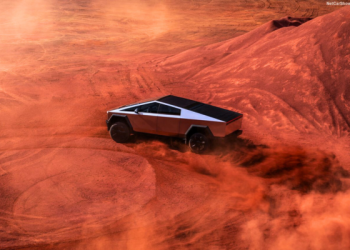
Tesla has said production of its Cybercab has begun but Musk has warned the manufacturing ramp will be “agonizingly slow.”
Vehicle Business Offers Some Support
Despite concerns over spending, Tesla reported record vehicle deliveries between April and June, helped by stronger EV demand and higher oil prices, particularly in Europe.
Analysts expect Tesla to deliver 1.7 million vehicles in 2026, a 3.9% increase from last year, ending two consecutive years of declining annual deliveries.
Barclays analysts said stronger automotive operations could provide the cash needed to support Tesla’s expanding AI investments.
Wall Street expects second-quarter earnings of 50 cents per share, compared with 40 cents a year earlier. However, analysts also expect automotive gross margin, excluding regulatory credits, to decline to 18.1% from 19.2% in the previous quarter as heavy investment continues.
Read also: Tesla patent points to smoother rides with magnetic seat suspension