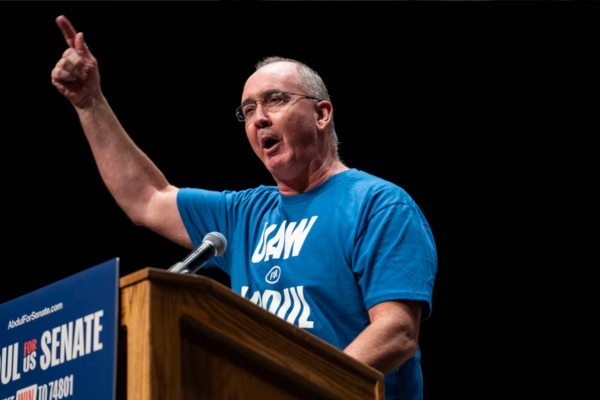
United Auto Workers (UAW) President Shawn Fain declared a major victory on Friday. He won his race for a second term to lead the massive 400,000-member union. Fain easily beat five challengers. A federal monitor released the preliminary ballot totals that showed him taking a clear majority of the votes.
The 57-year-old union leader became famous across the country during the historic 2023 auto strikes. Those strikes targeted the “Detroit Three” automakers: General Motors, Ford, and Chrysler-parent Stellantis. The victory sets up a massive future battle between organized labor and corporate executives over rising automotive manufacturing costs.
Detroit Three Face High Labour Costs
The Detroit Three automakers watched this election very closely. They are already looking ahead to the next big contract negotiations in 2028. Right now, the global car industry faces weaker consumer vehicle demand. Car companies also face fierce foreign market competition.
“One thing I know about our membership is they’re ready to fight,” Fain said in an interview with Reuters. “They know they deserve better. And let’s not fool ourselves. All these companies are massively profitable.”
The Fight for Automotive Worker Pensions
Fain’s combative leadership style led to massive wins in 2023. He broke tradition by bargaining with all three Detroit automakers at the exact same time. He also launched simultaneous strikes at factories across all three companies for the first time ever. That landmark agreement delivered historic wage increases of more than 25% over four years.
Now, Fain wants even bigger gains. He announced plans to fight to restore traditional pensions for all workers. Automakers ended these retirement benefits for new hires back in 2007 around the time domestic U.S. car companies almost collapsed.
The UAW is already urging its members to get ready to strike in the spring of 2028. This is exactly when the current four-year labor contracts expire.
Automaker Profits and Market Pressures
Car companies are in a tough spot to handle higher labour expenses. General Motors, Ford, and Stellantis are currently stung by heavy tariff expenses. They also face higher raw-materials costs. To make matters worse, weak U.S. demand forced them into an expensive rollback of their electric-vehicle plans.
“Shawn Fain will continue to take an aggressive approach to collective bargaining. The challenge this time will be that the companies will be well aware,” said Stephen Silvia, a labor expert from American University.
Corporate executives are expected to push back hard against any new labor costs. “The recipe is there for a major confrontation with the companies being in a less favorable position to withstand the pressures,” warned Marick Masters, a business professor emeritus at Wayne State University.
General Motors, Ford, and Stellantis did not immediately comment on Fain’s election victory on Friday night.
Read also: 6,000 Audi workers take to the streets as factory closure fears grow