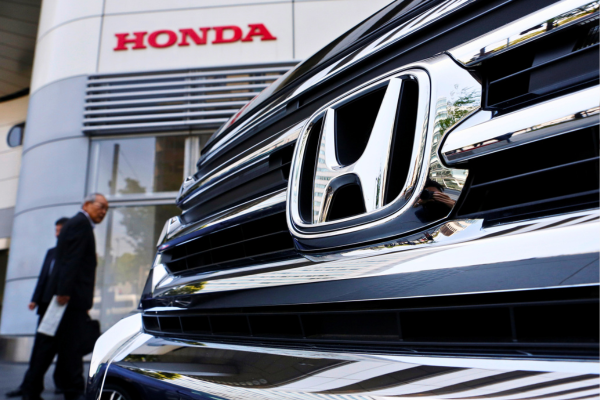
Honda, Toyota and Stellantis have recalled more than 1.68 million vehicles over separate safety risks involving airbags and braking systems, raising fresh concerns about vehicle safety and quality control in the global automotive industry.
The recalls cover older Honda and Toyota models fitted with Takata airbag inflators that could rupture, as well as Ram pickup trucks with anti-lock braking system (ABS) software problems.
The announcements were made on November 20, according to reports by Reuters, with the US National Highway Traffic Safety Administration (NHTSA) identifying the safety risks.
While no injuries or crashes have been linked to the current Honda and Toyota recalls, the problems show why regular vehicle safety checks and manufacturer oversight remain important.
Honda, Toyota Takata airbag recall affects 1.6 million vehicles
Honda is recalling 810,592 older cars and SUVs in the United States, while Toyota is recalling 790,000 vehicles worldwide, including 314,000 in the US.
The recalls involve Takata **airbag inflators** that may have degraded over time. If an airbag deploys, a damaged inflator could rupture and send metal fragments into the vehicle.
Honda said long-term monitoring and analysis showed a possible risk of propellant degradation in certain inflators in specific geographic regions.
Toyota also warned that degraded propellant could cause an inflator to rupture during airbag deployment, leading to serious injuries.
The Honda recall covers some 2013 Accord models, 2012-2013 Civic and CR-V models, and 2013 Acura ILX and RDX vehicles.
Toyota’s affected models include the 2003-2008 Corolla, 2005-2006 Tundra, 2005-2007 Sequoia and 2016-2017 4Runner. Some Lexus models are also included.
Honda’s recall applies to vehicles originally sold or registered in 14 US states and territories, including California, Florida, Texas, Hawaii and Puerto Rico.
Both companies said there had been no airbag inflator ruptures, injuries or crashes linked to the vehicles in these latest recalls. They plan to replace the affected inflators.
The recalls follow earlier Takata airbag problems that have been linked to at least 28 deaths and more than 400 injuries in the United States since 2009. At least 20 of the deaths involved Honda vehicles.
The earlier cases involved inflators without a drying agent. The inflators covered by the latest recalls contain moisture-absorbing material.
The NHTSA said independent testing and computer models helped identify possible degradation risks before more serious problems occurred.
Stellantis recalls 82,843 Ram trucks over ABS software
In a separate development, Stellantis is recalling 82,843 Ram 1500 Classic pickup trucks made between 2022 and 2024.
The recall involves software in the **anti-lock braking system** that could misread signals from the brake pedal and its sensor.
According to the NHTSA, this could lead to brake lights working incorrectly, unexpected vehicle movement or the loss of driver-assistance features.
Affected features include electronic stability control, AutoPark and forward collision warning. Stellantis said Chrysler dealers will update the affected ABS software free of charge.
The recall also covers 669 Mopar ABS control modules. The announcement came as Stellantis shares traded in the United States fell about 5% on Friday. The shares were already down nearly 70% this year, according to Reuters.
The company also joined Ford, Honda and Volkswagen in a legal challenge against a New Jersey law covering payments to dealers for warranty and recall repairs.
What the recalls mean for vehicle owners
The three recall campaigns involve different technical problems, but they share one concern: faults in systems designed to protect drivers and passengers.
For automakers, the recalls also highlight the importance of **automotive quality control**, software testing and long-term monitoring of vehicle components.
Honda and Toyota have not reported injuries or crashes linked to their latest airbag recalls. Stellantis has also announced a free software update for affected trucks.
For vehicle owners, checking whether their vehicle is covered by a recall and following the manufacturer’s repair instructions remain important steps in protecting road users.
Read also: BMW recalls 720,796 vehicles as US warns owners to park outside over fire risk