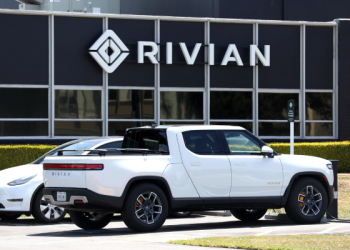
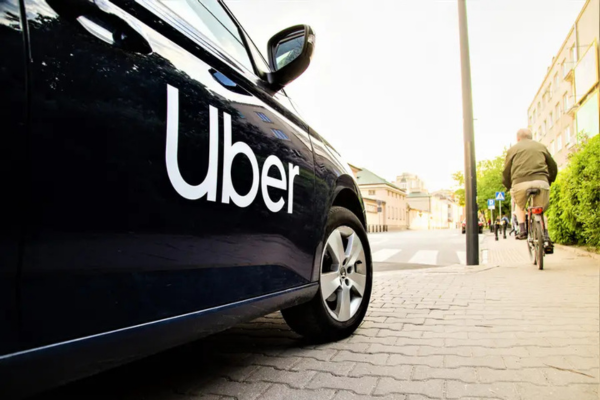
Uber is done being a middleman. The company just committed $10 billion to pivot toward robotaxi fleet management. This move breaks their famous gig economy business model. Instead of just matching riders with drivers, Uber is now buying thousands of cars and taking equity stakes in tech developers like Baidu, Rivian, and Lucid.
The End of the Gig?
Since day one, Uber has paid its human drivers roughly $250 billion. But those days are numbered. Humans currently take home 75% of every fare. By switching to autonomous cars, Uber could see rideshare profit margins explode. They plan to have robotaxis in 28 cities by 2028. Currently, you can already catch a driverless ride in Phoenix, Austin, and even Dubai.
Why It Matters to Your Wallet
If you hate paying $30 to go five miles, listen up. Experts say robotaxis could drop fares from $2.00 per mile to just $0.45. At that price, owning a personal car becomes a waste of money. You won’t pay for gas, insurance, or maintenance. Uber is even building “fast-charging hubs” to keep these fleets running 24/7 without a coffee break.
The Human Cost
What happens to the 9.7 million people driving for Uber today? The company is moving to a “hybrid network.” Humans will still handle the messy stuff, like peak demand or tricky weather, while robots take the easy routes. But make no mistake: the autonomous vehicle industry is coming for those jobs. Estimates suggest up to 76% of driving roles could eventually vanish.
Read also: Uber faces landmark sexual assault trial amid 3,000 lawsuits