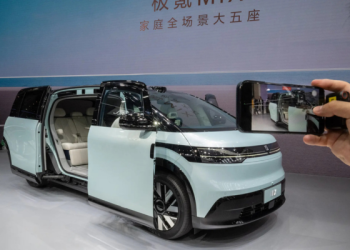

China’s electric vehicle market is approaching a major milestone, with new energy vehicles expected to account for more than 70% of passenger-car sales in November.
The forecast highlights the country’s growing influence in the global automotive industry. It also signals how quickly electric mobility is becoming part of everyday life for Chinese motorists.
According to estimates from the China Passenger Car Association (CPCA), new energy vehicles (NEVs) could represent 70.6% of retail passenger-car sales in November.
Monthly NEV sales are projected to reach about 1.15 million units, reflecting the scale of China’s rapidly expanding electric-vehicle market.
The forecast marks another significant moment for China’s automotive sector, where electric vehicles have become increasingly important to manufacturers, consumers and policymakers.
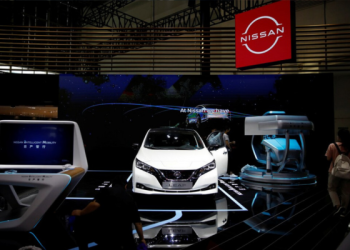
China’s growing adoption of NEVs also puts pressure on traditional petrol and diesel vehicle manufacturers. Established global carmakers must now compete in a market where electric technology is becoming increasingly dominant.
The country’s strong position is supported by its extensive EV manufacturing base, competitive pricing, and an expanding range of models. Domestic manufacturers are also competing aggressively on technology, battery performance and vehicle features.
If the November forecast is achieved, it would reinforce China’s position as one of the world’s most influential markets for electric mobility.
The development also carries important implications for international automotive markets, particularly Europe and Africa. Chinese manufacturers are increasingly looking beyond their domestic market for new customers and opportunities.
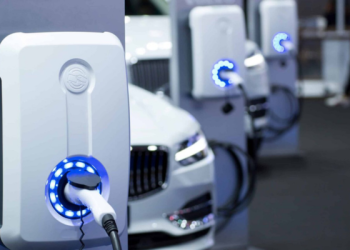
For African countries, the growing availability of competitively priced Chinese electric vehicles could create opportunities to expand access to electric mobility. However, charging infrastructure, affordability and reliable electricity supplies remain important challenges.
China’s latest forecast therefore represents more than a sales milestone. It highlights the speed of the automotive industry’s transformation and the growing importance of electric vehicles in shaping its future.
An important distinction strengthens this story: the projected 70.6% is not necessarily evidence of booming overall car demand. The CPCA also points to declining demand for petrol and diesel vehicles. October’s previous monthly NEV penetration record was 67.5%.
For additional context, NEVs accounted for 73.2% of passenger-car retail sales during the first 15 days of November. However, NEV sales during that period were down 13% year-on-year.
Read also: China tightens rules for automakers expanding overseas