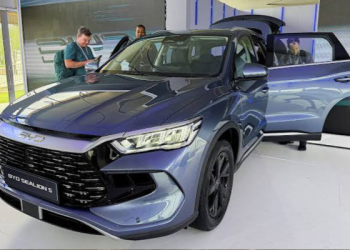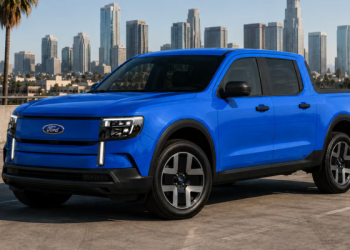
Kenya is seeking to strengthen its position in Africa’s automotive industry through a proposed $3bn electric vehicle investment. The ambitious project could transform the country into a major manufacturing centre for electric cars, motorcycles and other mobility solutions.
The proposed agreement involves the Kenyan government and Endelevu Enterprise Corporation, with Chinese automotive manufacturer Geely Auto Group identified as the manufacturing partner.
If delivered as planned, the project could create thousands of employment opportunities, support local industries and accelerate the adoption of electric mobility. It could also help Kenya attract more international automotive manufacturers and strengthen its position in the rapidly developing African electric vehicle market.
A major manufacturing ambition
The proposed investment is valued at approximately 390bn Kenyan shillings, equivalent to $3bn. It is designed to establish an integrated electric mobility ecosystem covering vehicle production, charging infrastructure and digital fleet management.
Under the proposal, the project will include an electric vehicle assembly plant with an annual production capacity of 50,000 four-wheel vehicles. A separate facility will produce up to 100,000 electric motorcycles and other light mobility vehicles annually.
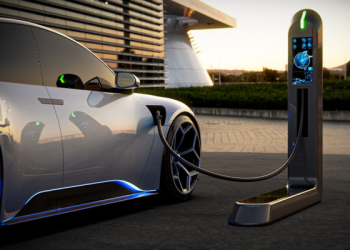
The development will also include 1,000 solar-powered charging hubs across Kenya. These facilities are expected to support electric vehicle owners, commercial operators and businesses transitioning towards cleaner transportation.
A digital fleet management platform capable of managing up to 100,000 vehicles is another important component. The technology is expected to support vehicle monitoring, fleet operations and the wider development of electric mobility services.
Thousands of jobs expected
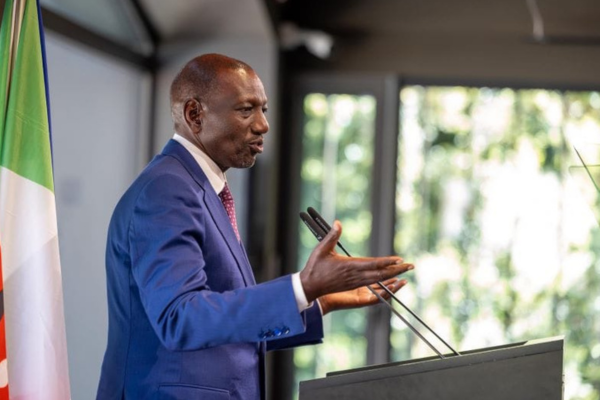
Employment creation is among the biggest potential benefits of the proposed investment. President William Ruto said the project could generate approximately 2,000 direct jobs and more than 20,000 indirect employment opportunities.
These opportunities could extend beyond vehicle assembly to suppliers, logistics companies, maintenance providers and other automotive businesses. The project is also expected to create further opportunities in fleet management, operations and mobility services.
For Kenya’s young workforce, the development could provide opportunities to acquire technical skills in electric vehicle manufacturing, battery technology and automotive engineering.
However, the scale of these benefits will depend on how much manufacturing takes place locally. Developing Kenyan suppliers and transferring technical knowledge will be essential to ensuring the investment delivers lasting industrial benefits.
Kenya’s renewable energy advantage
Kenya has an important advantage as it prepares to expand electric mobility manufacturing. Approximately 93% of its electricity generation comes from renewable sources, according to Invest Kenya.
The country’s geothermal, hydroelectric, wind and solar resources could help power vehicle production and charging infrastructure. This could also reduce the environmental impact associated with traditional petrol and diesel-powered transportation.
The proposed solar-powered charging network could further improve access to electric mobility, particularly for commercial transport operators and motorcycle riders.
For businesses, the investment could create opportunities across battery systems, vehicle components, charging equipment, software development and after-sales services.
Ambitions beyond Kenya
Kenya’s ambition extends beyond supplying its domestic automotive market. President Ruto has indicated that vehicles manufactured locally could serve customers across East Africa and other African markets.
This could strengthen Kenya’s position as a regional automotive manufacturing centre. It could also encourage international suppliers to establish operations and partnerships within the country.
Access to the wider East African Community market could provide an important commercial advantage. However, vehicles would need to satisfy the regional bloc’s Rules of Origin requirements to benefit from preferential market access.
The proposed investment also comes as African countries compete to attract international automotive manufacturers and develop their domestic industries.
The challenge: Turning investment promises into production
Despite the project’s ambitious targets, important questions remain about implementation. Signing a memorandum of understanding does not mean the full $3bn has already been invested or that manufacturing has begun.
The government and its investment partners must still move towards definitive agreements, secure the necessary infrastructure and establish clear production timelines.
There will also be questions about local content, technology transfer, battery supply chains and the competitiveness of vehicles produced in Kenya.
For Kenya, the real test will be whether the proposed investment translates into operational factories, sustainable employment and a stronger domestic automotive supply chain.
If successfully implemented, the project could become an important example of how African countries can attract international investment while building local manufacturing capacity.
The bigger question is whether Kenya can turn this $3bn ambition into a sustainable electric vehicle manufacturing industry capable of serving the entire African market.
Read also: Kenya Power earns Sh125.9m as EV charging jumps 180% in 2025