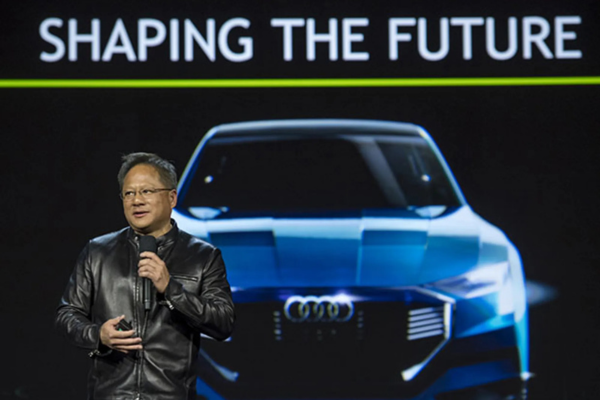
Jensen Huang’s return as Nvidia’s chief executive could bring fresh confidence to automakers betting on artificial intelligence (AI), autonomous vehicles and smart manufacturing.
Nvidia announced on November 23, 2026, that its board had reinstated Huang as president and CEO, effective immediately. The board also restored his seat as a director.
The decision followed his resignation earlier in November. The board said it had received input from senior US government officials and was satisfied that his return posed no national security risk.
For the automotive industry, the move matters beyond the leadership of a major technology company. Nvidia supplies computing platforms used in vehicle development, simulation and self-driving technology.
Automakers are investing in these systems as they prepare for a future in which vehicles can process information, understand their surroundings and support more advanced driving functions.
Nvidia’s automotive AI business and the road ahead
Nvidia’s automotive strategy covers three main areas. The first is AI training. Automakers need computing power to train models that help vehicles understand roads, traffic signs, pedestrians and other objects.
The second is simulation. Engineers use computer systems to test vehicle designs and driving situations before deploying them on real roads.
The third is in-vehicle computing. Nvidia’s DRIVE platform supports the development of autonomous driving systems and other intelligent vehicle features.
These areas connect the design of a vehicle to the technology that operates inside it.
For automakers, long-term access to computing platforms is important. Developing a vehicle takes years of planning, testing and investment. A sudden change in a technology supplier’s priorities could create problems for companies building their products around that supplier.
Huang’s return may therefore reduce concerns about a sudden change in Nvidia’s automotive strategy.
However, the company has not announced a new automotive investment plan as part of the reinstatement.
Why Nvidia’s automotive revenue matters
The supplied material puts Nvidia’s automotive revenue at $2.4 billion, compared with total revenue of $216 billion in 2025.
If these figures are confirmed against the company’s financial statements, automotive would represent about 1.1 per cent of total revenue.
This difference highlights a major business question. Nvidia earns much of its revenue from demand for AI chips and data centre computing. Its automotive business is much smaller by comparison.
Yet automotive technology could remain important to Nvidia’s long-term strategy.
The company is building technology that can serve more than one industry. Its AI systems can support vehicles, robots, factories and other machines.
This wider market is often described as physical AI. It refers to AI systems that can understand and act in the physical world.
For automakers, this creates opportunities to use AI in vehicle design, factory operations and driving systems.
For Nvidia, it offers a route to sell computing technology beyond traditional data centres.
Semiconductor supply chains and automaker investment
The return also comes at a time when automakers need reliable access to advanced computing hardware.
Modern vehicles increasingly depend on chips for driver assistance, sensors, entertainment systems and other digital features.
Nvidia’s position in this market means its product plans can influence how some automakers plan their technology roadmaps.
The supplied material says Huang’s return has eased concerns about future chip production schedules and semiconductor supply chains.
However, no specific new production agreement or delivery schedule was announced in the reinstatement statement.
The wider issue remains important for the automotive semiconductor market. Delays or changes in access to advanced chips can affect vehicle development and production plans.
Governance risks remain despite Huang’s return
Huang’s reinstatement does not end the questions surrounding Nvidia’s leadership. The company said an independent board committee would continue its investigation into reports that Huang had been targeted by a foreign intelligence effort.
Nvidia also announced a separate National Security and Export Control Committee. It is expected to oversee trade compliance and national security risks.
The company is also starting a search for a chief compliance officer who will oversee compliance matters and report to its Nominating and Corporate Governance Committee.
These steps show that governance and national security remain important issues for the company.
For automakers, the wider concern is the stability of a technology partner whose products may form part of long-term vehicle programmes.
Huang’s return restores the leadership of Nvidia’s founder. But the company’s ability to support the next generation of vehicles will depend on its technology, investment decisions, supply chain and governance.
The key question is no longer just who leads Nvidia. It is how far its AI technology can shape the future of the global automotive industry.
Read also: Meet Nvidia’s Alpamayo, the AI Car tech that can think, explain, drive itself