
Residents and taxpayers are increasingly feeling the financial impact of rising fuel prices, as one California city spends nearly $94,000 every month to keep its vehicles on the road. The growing costs are now pushing local authorities to accelerate plans to electrify their fleet in an effort to reduce future fuel expenses and protect public services.
The City of Hanford, located in California’s Hanford-Corcoran region, has seen fuel costs rise sharply over the past year. According to The Hanford Sentinel, average retail gasoline prices in the area increased from $4.44 per gallon in 2025 to $5.62 per gallon in 2026, representing an increase of almost 27%.
Although the city purchases fuel below retail prices through government contracts, officials say the increase has still placed significant pressure on municipal budgets.
Before the latest price surge, Hanford paid around $2.70 per gallon for gasoline and $3.13 per gallon for diesel. Those costs have now climbed to $3.74 and $4.15 per gallon respectively, marking increases of 39% for gasoline and 33% for diesel.
The city’s heavy reliance on fuel-powered vehicles means even relatively small price increases quickly translate into substantial costs.
During a single month, Hanford consumed 10,512 gallons of gasoline and 13,142 gallons of diesel, resulting in a combined fuel bill of $93,854.
“It starts to add up real quick, especially on the diesel side,” said Russ Sterling, Director of Hanford Public Works, while explaining the growing financial burden on the city’s operations.
Diesel remains one of the city’s biggest challenges because it powers many essential public service vehicles.
Hanford’s Public Works Department operates 14 refuse collection trucks every day, with each vehicle consuming between 40 and 50 gallons of diesel daily. The rising operating costs have placed additional pressure on the city’s sanitation budget.
“It’s a big hit to our budget,” Sterling said. “And we’ve got to work within that budget.”
The Refuse Division operates as an enterprise fund, meaning service charges paid by residents are designed to cover operational expenses rather than rely on general tax revenue. As fuel and maintenance costs continue to rise, the Hanford City Council has approved a phased increase in refuse collection charges, with rates expected to reach $43.69 by 2030.
Officials say the recent spike in global fuel prices has been influenced by geopolitical tensions, including the conflict involving Iran and disruptions affecting the Strait of Hormuz, one of the world’s most important oil shipping routes. Higher oil prices also increase the cost of infrastructure materials such as asphalt, adding further pressure on local government spending.
To reduce long-term exposure to volatile fuel markets, Hanford is accelerating its transition towards electric mobility.
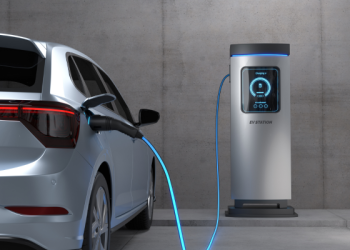
The city already operates several electric and hybrid light-duty vehicles, including pickup trucks, golf carts and lawn maintenance equipment. It is also evaluating plans to install additional public EV charging infrastructure to support future fleet expansion.
However, electrifying larger commercial vehicles remains a significant challenge.
City officials recently tested an electric refuse truck but found it could only complete about half of its daily collection route before requiring a recharge. The experience highlights the technological limitations that many municipalities still face when attempting to replace heavy-duty diesel-powered vehicles.
Despite those challenges, city leaders believe expanding the use of electric vehicles will reduce long-term operating costs while improving energy security by lowering dependence on fluctuating oil prices.
Sterling said fuel costs will remain a major consideration during future budget planning.
“Right now we have a solid budget, and we haven’t had an issue. As we develop our next budget, we’ll have to estimate our fuel costs in there. Fuel prices affect everybody’s budget.”
Hanford’s experience reflects a growing trend among cities across the United States, where rising fuel prices are encouraging local governments to invest in electric vehicles as they seek greater financial stability, lower operating costs and reduced exposure to global energy market shocks.
Read also: Russia’s fuel crisis is sending drivers running to Chinese EVs