The collapse of Fisker is another reminder that building an electric vehicle company is about far more than designing an attractive car. It demands strong finances, reliable production, and customers willing to buy in large numbers. The American EV start-up has now failed for the second time, leaving investors, suppliers and thousands of owners facing uncertainty.
Fisker filed for Chapter 11 bankruptcy protection in the United States in June 2024 after months of mounting financial pressure. The company said it had been hit by a combination of market headwinds, declining demand for electric vehicles and an inability to secure the funding needed to continue operating.
For founder Henrik Fisker, the bankruptcy marks another painful setback. His first company, Fisker Automotive, also entered bankruptcy in 2013 after struggling with production delays, battery problems and financial losses. More than a decade later, history has repeated itself.
The latest company was founded in 2016 with ambitious plans to challenge established EV manufacturers. Fisker chose an asset-light business model by outsourcing production of its Ocean electric SUV to Austrian manufacturer Magna Steyr instead of building its own factory. The strategy was designed to reduce costs and speed up production.
Initially, the approach appeared promising. Fisker went public in 2020 through a special purpose acquisition company (SPAC) deal that valued the business at about $2.9 billion and raised more than $1 billion in fresh capital. Investors believed the company could become one of the next major EV success stories.
The Fisker Ocean finally entered production in late 2022 and deliveries began in 2023. However, the company’s commercial performance quickly fell short of expectations. Fisker had hoped to build more than 42,000 Ocean SUVs in 2023 but produced only 10,193 vehicles. Fewer than half reached customers.
Financial losses continued to mount. Fisker reported a 2023 net loss of about $762 million, including a $463.6 million loss in the fourth quarter alone. Cash reserves declined rapidly as the company attempted to increase production while sales slowed across the global EV market.
The company also faced serious operational problems. Customers reported software glitches, delayed updates and difficulties accessing servicing and spare parts. In the United States, regulators opened investigations into several issues affecting the Ocean SUV, adding further pressure on the young manufacturer.
As the financial situation worsened, Fisker slashed Ocean prices by as much as 39%, laid off around 15% of its workforce and suspended vehicle production. The company also attempted to secure a strategic investment from a major automaker, widely reported to be Nissan, but negotiations collapsed before an agreement could be reached.
Without fresh funding, bankruptcy became unavoidable.
Court documents showed Fisker listed estimated liabilities of between $100 million and $500 million, while reporting assets valued at between $500 million and $1 billion. The company said it would seek to sell assets and restructure its business through bankruptcy proceedings.
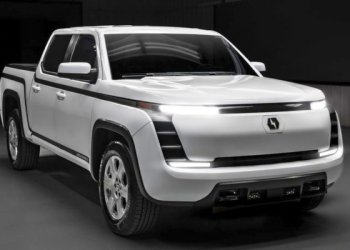
The collapse reflects wider challenges facing many electric vehicle start-ups. Rising interest rates, slowing consumer demand, tougher competition from established manufacturers and Chinese brands, and high development costs have made survival increasingly difficult. Several other EV companies, including Proterra and Lordstown Motors, have also entered bankruptcy in recent years.
For existing Fisker owners, uncertainty remains over long-term software support, spare parts availability, warranties and vehicle values. Industry experts expect resale prices to remain under pressure while owners increasingly depend on independent repair networks and growing online communities for support.
Fisker’s second collapse offers an important lesson for the automotive industry. Innovative design and ambitious ideas can attract investors, but long-term success depends on delivering reliable products, managing cash carefully and building customer confidence. In today’s fiercely competitive electric vehicle market, even promising start-ups have little room for error.
For the global automotive industry, Fisker’s story is more than another bankruptcy. It is a warning that the road to a successful EV business is far harder than bringing a new vehicle to market.
Read also: What Went Wrong? How Canoo, a billion-dollar EV startup ran out of road