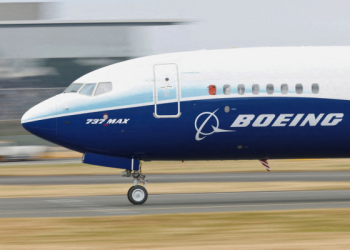
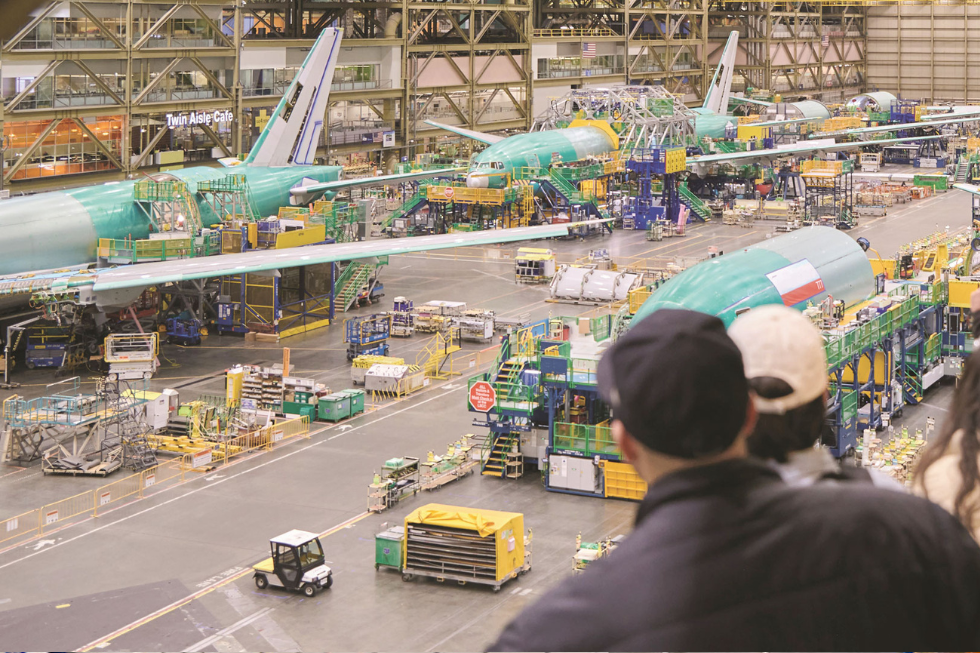
Boeing is accelerating its hiring drive, adding more than 100 factory workers each week as it pushes to increase aircraft production and replace a wave of retiring staff.
The move comes at a critical moment for the aerospace giant. Demand for new aircraft is climbing sharply, driven by airlines racing to modernise fleets and meet post-pandemic travel growth. At the same time, Boeing faces the challenge of an ageing workforce, with a significant number of experienced technicians approaching retirement.
A race against time and talent
Inside Boeing’s sprawling production lines, particularly for its best-selling Boeing 737 and long-haul Boeing 787 Dreamliner, the pressure is building. The company is not just hiring to expand, but to preserve institutional knowledge before it disappears.
Industry estimates suggest thousands of skilled aerospace workers across the United States are expected to retire over the next few years. For Boeing, this creates a dual challenge: scaling up output while ensuring new hires can quickly match the precision and expertise of veteran workers.
Production targets under scrutiny
Boeing has been working to stabilise and then increase production rates following years of disruption, including regulatory scrutiny and supply chain constraints. The company aims to gradually raise output on key programmes, especially the 737, which remains central to its commercial strategy.
Hiring at this pace signals confidence, but also urgency. Every delay in staffing can ripple through the production line, slowing deliveries and affecting airline customers already facing aircraft shortages.
Training the next generation
Recruiting workers is only part of the equation. Boeing is investing heavily in training programmes to bring new employees up to speed. Many recruits come from manufacturing, automotive, and even defence backgrounds, but aerospace production demands exacting standards.
The company is also leaning on mentorship models, pairing new hires with experienced staff before they retire. This knowledge transfer is seen as critical to maintaining safety and quality.
Wider industry impact
Boeing’s hiring surge reflects a broader trend across the global aerospace sector. Rival Airbus has also been expanding its workforce, highlighting a renewed competition not just for orders—but for talent.
For workers, this presents an opportunity. Skilled manufacturing roles are back in demand, often offering competitive wages and long-term career prospects. For the industry, however, the challenge remains clear: can it grow fast enough to meet demand without compromising standards?
The bottom line
Boeing’s decision to hire more than 100 factory workers each week underscores the scale of its ambition, and the pressure it faces. With rising demand, an ageing workforce, and global competition intensifying, the stakes have rarely been higher.
The success of this hiring push may well determine how quickly Boeing can return to full strength—and whether it can keep pace in a rapidly evolving aviation market.

![Boeing 737 max [Photo Credit BusinessInsider]](https://autojournal.africa/wp-content/uploads/2023/08/Boeing-737-max-Photo-Credit-BusinessInsider-350x250.jpg)