
Tesla plans to wind down production of its controversial Cybertruck around mid-2027, following years of disappointing sales. The decision marks a major setback for a vehicle once expected to transform the American electric pickup market.
The announcement was made by Tesla chief executive Elon Musk on Friday, 6 November 2026. Production will be reduced at the company’s Gigafactory in Texas, where the distinctive electric pickup is manufactured.
Musk said the decision would create additional manufacturing capacity for Tesla’s newly launched Cybercab. The autonomous vehicle is central to his ambition of building a global robotaxi network.
However, the announcement raises fresh questions about the commercial future of the Cybertruck. Despite attracting considerable attention before its launch, the vehicle has struggled to achieve the sales volumes Tesla originally anticipated.
Cybertruck sales fall significantly short of expectations
Tesla began delivering the Cybertruck to customers in late 2023. Its unusual stainless-steel body, sharp exterior design and futuristic features generated considerable excitement.
However, customer demand has remained below expectations. According to automotive research firm Kelley Blue Book, Tesla sold 20,237 Cybertrucks in the United States during 2025.
That represented a 48% decline from the 38,965 units sold in 2024. The figures highlight the growing difficulties facing Tesla’s electric pickup programme.
The decline is particularly significant considering Musk’s earlier ambitions. Around the beginning of production in 2023, he predicted annual sales could reach 250,000 vehicles.
Actual sales have therefore remained far below that target. The gap highlights the challenges of turning an attention-grabbing concept into a commercially successful vehicle.
Recalls and quality concerns create additional challenges
Beyond weak demand, the Cybertruck has faced several product quality and reliability concerns.
According to the US National Highway Traffic Safety Administration, Tesla has issued 11 recalls affecting the model since its launch. Some problems required physical repairs, while others were addressed through software updates.
The vehicle’s distinctive stainless-steel construction and angular exterior also created challenges in international markets.
In particular, European safety regulations have presented significant obstacles. Rules governing pedestrian impact protection have made the Cybertruck unsuitable for approval under existing European requirements.
This has restricted Tesla’s ability to expand the vehicle’s sales beyond the United States. It has also limited opportunities to attract customers in markets where electric vehicle adoption is growing.
Electric pickup market proves difficult to conquer
The Cybertruck’s difficulties also reflect wider challenges facing electric pickups in the United States.
Despite significant investment from major manufacturers, electric pickups have struggled to gain widespread acceptance among traditional truck buyers.
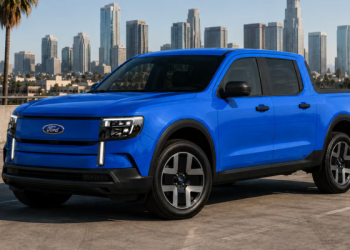
Ford and other manufacturers have also encountered difficulties selling electric pickup models. Automotive analyst Felipe Munoz said the category had struggled because American consumers had not embraced electric pickups as expected.
This suggests Tesla’s challenges are not entirely unique. However, the Cybertruck’s distinctive design, ambitious sales targets and high public profile have made its disappointing performance particularly visible.
Former Aston Martin chief executive Andy Palmer said the decision to end production was commercially understandable. He argued that continuing with a model missing its targets would be difficult to justify.
Tesla turns attention towards autonomous vehicles
The planned production wind-down also reflects Tesla’s changing priorities.
Musk increasingly wants the company to become a major player in artificial intelligence, robotics and autonomous transportation.
The Cybercab is central to that strategy. The two-seat vehicle features butterfly-style doors and has no steering wheel, pedals or conventional mirrors.
Tesla intends to use it as part of a wider autonomous taxi network. The company began offering paid rides using a small Cybercab fleet in Austin, Texas, in September 2026.
However, the programme still faces regulatory scrutiny. The National Highway Traffic Safety Administration opened an audit in September to examine Tesla’s self-certification of the vehicle’s compliance with federal safety standards.
Tesla has listed installed production capacity of more than 125,000 Cybercabs. However, the programme remains relatively small compared with the company’s wider vehicle operations.
According to Texas Department of Motor Vehicles figures, approximately 570 of more than 1,200 Tesla robotaxis operating in the state are Cybercabs. The remaining vehicles are mainly Model Y models.
What does this mean for Tesla?
The planned end of Cybertruck production represents more than the discontinuation of an unconventional electric pickup.
It highlights the risks associated with ambitious vehicle development, particularly when customer expectations, production costs and market realities do not align.
For Tesla, the priority now appears to be redirecting resources towards autonomous mobility and other technology-driven opportunities.
Whether the Cybercab can deliver the commercial success the Cybertruck failed to achieve remains uncertain.
For the wider automotive industry, the lesson is clear: innovation can attract attention, but long-term success ultimately depends on delivering products customers want, can afford and are willing to buy.
Read also: Tesla registrations surge across Europe as Chinese electric carmakers gain ground