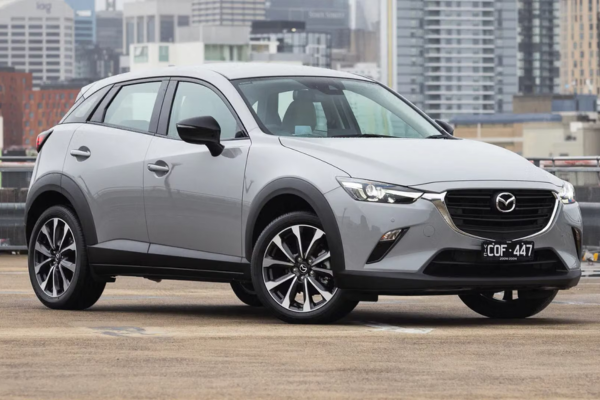
Australia’s growing electric vehicle market is facing fresh scrutiny after Mazda suggested the recent surge in EV sales has been driven more by government support and business purchases than genuine consumer demand. The comments have triggered a heated debate across the automotive industry, raising questions about the future direction of one of the world’s fastest-changing vehicle markets.
For Australian drivers, the outcome matters. It will influence the range of electric vehicles available, future investments in charging infrastructure, and the overall cost of owning a car in the years ahead.
The debate began after Mazda Australia questioned whether the country’s recent increase in electric vehicle sales represents a lasting shift in consumer behaviour. According to the company, several temporary factors, including government tax incentives, higher petrol prices, fleet purchases and tightening emissions regulations, have played a major role in boosting EV sales.
Mazda believes these conditions may not reflect sustainable long-term demand. If those incentives disappear or fuel prices stabilise, the company argues, sales growth could slow significantly.
However, the company’s position has been strongly challenged by EV advocate and YouTube creator The Electric Viking. In a widely discussed video, he argued that Mazda is underestimating the strength of Australia’s growing appetite for electric vehicles.
He pointed to official sales trends showing Australia’s EV market expanded rapidly during the opening months of the year. According to industry data, battery-electric vehicles accounted for about 10% of all new vehicle sales in Australia during 2025, while the market continued to record strong growth in early 2026 as new models entered the country. Industry analysts also note that Australia has become one of the fastest-growing EV markets outside Europe and China.
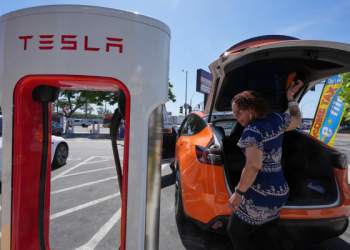
The Electric Viking argued that demand extends well beyond government incentives. He highlighted the continued popularity of models such as the Tesla Model Y and said manufacturers without strong EV portfolios may not have access to the same customer reservation data or purchasing trends as companies focused primarily on electric vehicles.
The disagreement reflects a wider challenge facing the global automotive industry. Traditional manufacturers continue to invest heavily in petrol-powered vehicles while gradually expanding their electric line-ups. At the same time, newer EV-focused brands are rapidly increasing market share as consumers gain more confidence in electric mobility.
Mazda has started introducing new electric models, including the Mazda 6e, into selected markets. Even so, much of the company’s global business still depends on internal combustion engine vehicles, making the pace of its EV transition particularly important.
The debate is significant because vehicle manufacturers often use market demand forecasts to determine future investment decisions. If automakers conclude that consumer demand is weaker than expected, they could delay new electric vehicle launches or reduce investment in charging infrastructure.
That could leave motorists with fewer choices, slower technological innovation and continued exposure to fluctuating fuel prices. For Australia, where rooftop solar adoption is among the highest in the world, electric vehicles also offer many households an opportunity to reduce running costs by charging with self-generated renewable electricity.
Public reaction has largely favoured continued EV growth. Many industry observers argue that Australia’s abundant solar energy, improving charging network and increasing model availability are creating a strong foundation for long-term electric vehicle adoption.
Some commenters suggested manufacturers risk falling behind if they underestimate changing consumer preferences. Others argued that companies producing desirable electric vehicles are continuing to attract buyers despite broader economic uncertainty.
One widely shared comment summed up the mood of many EV supporters: companies that adapt to changing technology will continue to grow, while those that resist change risk losing relevance in an increasingly competitive global automotive market.
Read also: Toyota bets on quality as Chinese automakers gain ground in Australia