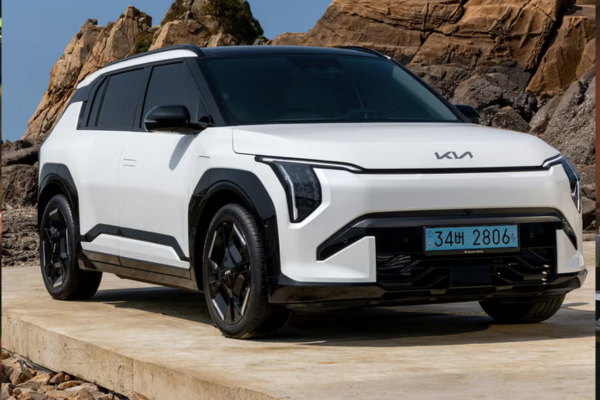
Kia has delivered one of its strongest signals yet that affordable electric vehicles are finally entering the mainstream.
The automaker recorded a sharp rise in global EV sales during the first quarter of 2026, powered by growing demand for lower-cost electric models and a wider range of electrified vehicles.
For consumers, the shift could mean more affordable EV choices, lower running costs, and increased competition among global carmakers.
Kia sold 232,000 electrified vehicles worldwide between January and March 2026. That figure includes battery-electric vehicles, hybrids, and plug-in hybrid models. The total marked a 33% increase compared with the same period last year.
Battery-electric vehicle sales climbed even faster. Kia’s EV sales jumped 54% year-on-year to 86,000 units during the quarter. Hybrid sales also rose strongly, increasing 32% to 138,000 vehicles.
The company’s performance helped deliver a record-breaking quarter globally, reinforcing growing confidence in the future of electric mobility.
Much of the momentum appears linked to Kia’s expanding EV lineup, which now covers multiple price ranges and customer needs. Industry analysts say that strategy is helping the brand reach buyers who previously considered EVs too expensive.
One standout model has been the Kia EV9, which broke sales records in 2025 and reportedly sold out in parts of the United States market.
Attention is now shifting toward the upcoming Kia EV3, expected to become one of the company’s most affordable electric vehicles. The model is planned for expansion into additional global markets, including the United States.
The EV3 could become particularly important for the wider industry because affordability remains one of the biggest barriers preventing drivers from switching to electric vehicles.
If Kia successfully launches the EV3 below the price of many rival EVs, analysts believe competitors may face pressure to reduce prices or accelerate their own affordable EV programs.
Government support also played a role in Kia’s recent growth. In South Korea, EV sales increased 5.4% after new government-backed subsidies for electric vehicles were introduced earlier this year.
The rise in EV adoption carries environmental implications as well. Battery-electric vehicles produce no tailpipe emissions, while hybrid models reduce fuel consumption compared with conventional petrol-powered cars.
As more drivers move toward electrified vehicles, transport-related emissions could gradually decline, helping reduce the release of planet-warming gases.
Consumers may also benefit financially over time. Electric vehicles typically require less maintenance than internal combustion engine cars because they have fewer moving parts. Charging costs are also often lower than the price of filling a fuel tank.
Online reactions to Kia’s performance reflected growing consumer enthusiasm.
One buyer said they had “helped the Q2 results” after purchasing an EV6. Others praised Hyundai and Kia for offering what many described as one of the most complete EV lineups currently available.
Another potential buyer described the long-range EV3 as the benchmark vehicle influencing their future switch to electric mobility.
Kia’s latest results suggest the global EV market may be entering a new phase — one driven less by luxury and more by accessibility.
For years, electric vehicles were seen as premium products aimed mainly at early adopters. Kia’s recent growth indicates the market could now be expanding toward everyday drivers searching for practical and affordable alternatives to petrol-powered cars.
Read also: Kia’s EV3 could be the game-changing electric SUV Americans have been waiting for