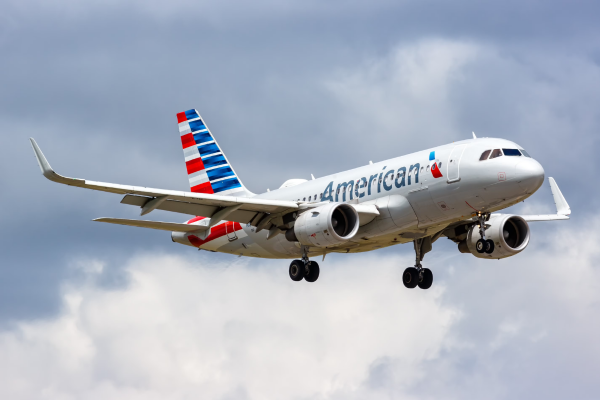
Buying new airplanes is the biggest gamble an airline can make. Choosing the wrong planes can cause a total financial disaster. When an airline orders a new jet, it locks in its cash, flight crews, and route plans for 20 years or more. New industry reports show that several major airlines are now facing severe ruin because of bad aircraft fleet planning decisions.
When manufacturing partners fail, airlines are left with no way to fix the problem. From unexpected engine recalls to big currency drops, these mistakes have pushed major brands straight into bankruptcy court.
Engine Recalls Cause Total Financial Ruin
Spirit Airlines decided to risk its entire future on just one engine company. The budget airline chose the Pratt & Whitney Geared Turbofan (GTF) engine to power its new Airbus A320neo planes. That big gamble turned into a nightmare when a massive safety recall forced the engines off the wings for long inspections.
Spirit’s choice hurt the company much worse than other airlines. The technical problems were devastating. The recall instantly forced around three dozen of Spirit’s narrowbody jets into storage. In total, Spirit owned 79 GTF engines, and every single one needed to be taken apart and checked. Each engine repair took over two long years to complete.
Pratt & Whitney gave Spirit up to $195 million in cash to help. However, the cash could not replace the grounded airplanes or fly the passengers. Soon, an airplane leasing giant named AerCap canceled orders for 36 more planes that Spirit needed to grow.
Spirit was hit by weak ticket sales, tough competition, and a broken fleet. Because of this, the airline fell into its second Chapter 11 bankruptcy case in less than a year. Data from Cirium showed that only 13 of Spirit’s A320neos were flying, while 49 were sitting empty in storage. To make matters worse, a conflict involving Iran disrupted the global jet fuel supply through the Strait of Hormuz, pushing global jet fuel prices much higher.
Bad Route Strategy and Currency Drops
Other airlines suffered because they picked the wrong jets for their flight routes. In 2011, Skymark Airlines was Japan’s third-largest carrier. The airline wanted to look like a premium luxury brand, so it ordered six massive double-decker Airbus A380 jumbo jets.
But the plan had a giant economic blind spot. Skymark agreed to pay for the expensive jets in US dollars, but it collected its ticket money in Japanese yen. Soon after, the yen dropped sharply against the dollar. This made the actual cost of the planes much too high for the airline to pay.
Airbus built the first plane in 2014, but Skymark was already running out of cash. “The company, believing the demands for breach-of-contract payments were unreasonable, attempted to negotiate a reduction in the payments with Airbus,” a company spokesperson said in 2015. Airbus cancelled the entire order and sued the airline, which pushed Skymark into bankruptcy.
Airplane Factory Delays Keep Jets Grounded
Air France also had trouble with the massive Airbus A380. The airline retired all 10 of its jumbos because they were a total money pit. Air France-KLM Chief Executive Benjamin Smith said the planes did not make a steady profit. The airline’s main hub in Paris did not have limits on takeoff slots, so it was much smarter to fly smaller, more efficient twinjets like the Airbus A350.
Meanwhile, Southwest Airlines has been left stranded by a 13-year wait. Southwest ordered the Boeing 737 MAX 7 back in 2013 to replace its old planes. Because Boeing’s timelines collapsed, Southwest has been waiting over a decade for the planes to get safety approval. Southwest Chief Financial Officer Tom Doxey told Reuters that the first deliveries are now delayed until late 2026.
Lufthansa faced a matching crisis with the new Boeing 777-9. The plane was supposed to arrive in 2020 to show off a new luxury cabin, but the schedule failed completely. Lufthansa has been forced to fly old, 26-year-old Boeing 747-400 planes just to keep its routes open.
The new jets will be at least seven years late when they finally arrive in early 2027. These long factory delays show the high risk of relying on a single supplier for a big airline capital investment.
Read also: United Airlines passengers left outside for five hours after crew times out