As fuel prices climb, many drivers are asking a simple question: can switching to an electric vehicle save money? For millions, the answer could mean lower daily costs and fewer financial surprises.
In the United States, petrol prices have surged past $4 per gallon (£0.85 per litre) in several regions. That increase is placing pressure on households already managing rising living expenses. For drivers who rely on their cars for work, the impact is immediate and often severe.
One driver recently turned to an online forum to ask whether owning a Tesla would now be cheaper than running a petrol-powered car. The concern is familiar. With fuel costs rising and reimbursements failing to keep pace, many drivers are left covering the difference out of pocket.
While electric vehicles (EVs) often come with higher upfront prices, the long-term savings can be significant. Industry estimates suggest EV drivers can save $1,000 to $2,500 (£800 to £2,000) per year on fuel alone. Maintenance costs are also lower, thanks to fewer mechanical components.
Electric vehicles typically have around 90% fewer moving parts than traditional combustion engines. This reduces the likelihood of breakdowns and cuts servicing costs over time. There are no oil changes, fewer brake replacements, and less wear on key components.
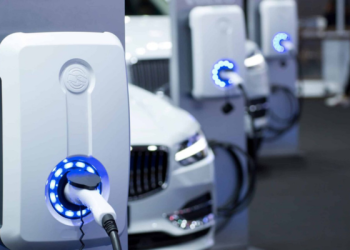
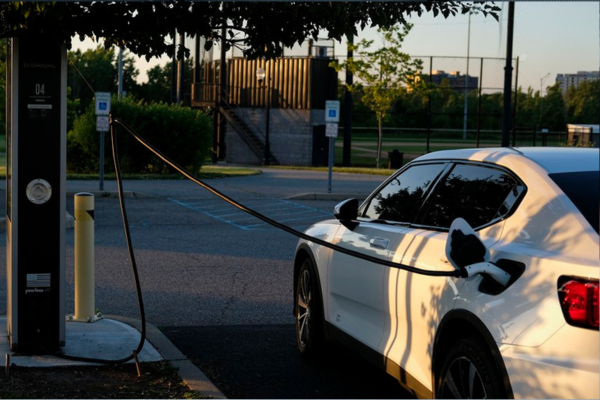
Charging at home offers the greatest financial advantage. Drivers using residential electricity, especially with Level 2 chargers, can reduce their cost per mile by up to 60–70% compared to petrol vehicles. Overnight charging also adds convenience, allowing drivers to start each day with a full battery.
However, the savings are not universal. Drivers who depend on public charging stations may face higher electricity prices. In some cases, rapid charging can approach the cost of petrol per mile, although it rarely exceeds it.
Beyond financial benefits, EV adoption also reduces emissions. Transport accounts for nearly 27% of greenhouse gas emissions in the United States. Shifting to electric vehicles can significantly cut that figure, especially when paired with renewable energy sources.
For many drivers, the decision is no longer just about the purchase price. It is about the total cost of ownership. As fuel prices remain volatile, electric vehicles are increasingly seen as a practical and cost-effective alternative.
Read also: Billionaire’s $1 fuel station sparks debate over pricing power