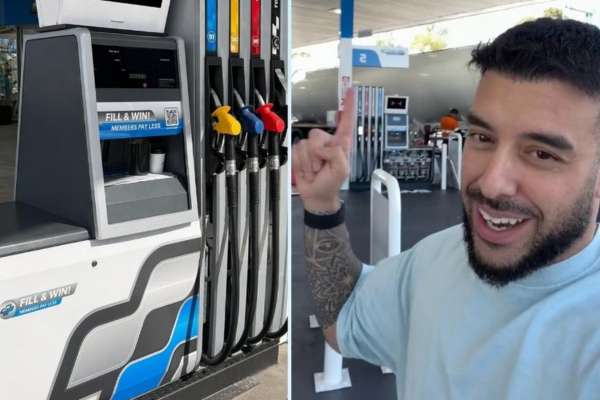
Drivers in Melbourne stopped and stared. Some pulled out their phones, others rushed to join the queue. A new fuel station had just opened and prices were below $1 per liter.
The man behind it is Adrian Portelli, a 37-year-old billionaire known for his luxury lifestyle and business ventures. Now, he is making headlines for something simpler: cheap fuel.
Low Fuel Prices Through Subscription Rewards Club
The station, called LMCT+ Fuel, is linked to Portelli’s subscription rewards club. Members pay a fee to access discounts, giveaways, and now, cheaper fuel.
This model is not small. His platform, LMCT+, is estimated to generate between $50 million and $100 million in revenue. That income helps support the lower fuel prices offered to members.
At the station in Preston, petrol costs under $1 per liter. That is far below the national average of $1.86. Diesel prices, which average $2.65, also remain significantly higher elsewhere.
Queues, Crowds, and Consumer Demand
On opening day, at least 20 cars were already waiting before the ribbon was cut. Traffic control teams and police were present to manage the situation.
Drivers reacted fast. Many saw this as a rare chance to save money during a time of rising costs.
The demand shows how sensitive people are to fuel pricing and how quickly they respond when prices drop.
Fuel Pricing Strategy Raises Questions
The move has also raised bigger questions about fuel pricing strategy and consumer loyalty programs. Critics have pointed out that the low prices are not available to everyone, only paying members. Others questioned whether public resources, like police presence, should support a private business launch.
Portelli pushed back. In a social media post, he said he had paid over $100 million in taxes and expected better use of public funds.
Private Infrastructure Investment vs Public Policy
This case highlights a growing trend: private infrastructure investment stepping in where public systems struggle.
Fuel prices have been rising worldwide. Many drivers feel the pressure daily. While governments debate solutions, private players are experimenting with new models. Portelli’s approach blends exclusivity with affordability but only for those inside his system.
For now, one thing is clear, when fuel drops below $1, people notice.
Read also: Best fuel-efficient cars in 2026: Toyota Prius, Civic, Camry ranked high