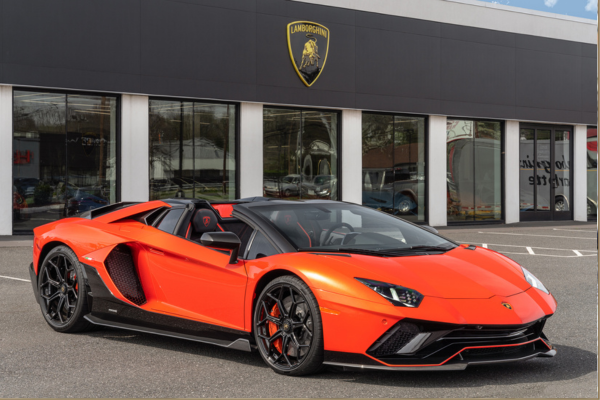
A Florida-based supercar owner says he was left stunned after Lamborghini reportedly rebuilt his Aventador Ultimae following the sinking of the cargo ship Felicity Ace, a disaster that sent thousands of luxury vehicles to the bottom of the Atlantic Ocean.
The incident, which has become one of the most costly maritime losses in recent automotive history, saw the vessel catch fire and sink near Portugal. Onboard were around 4,000 supercars, including models from Porsche, Bentley, Audi, and Volkswagen, with total losses estimated at around $400 million.
Among them were 15 Lamborghini Aventador Ultimae units, including vehicles owned by customers in the United States.
Felicity Ace Shipping Disaster and Insurance Exposure
The cargo ship Felicity Ace was transporting high-value vehicles across the Atlantic when it caught fire and sank. The scale of the loss triggered complex maritime shipping insurance claims across multiple manufacturers and logistics providers.
One affected customer, a Florida-based YouTuber known as Exotic Car Hacks, said he had three vehicles onboard the vessel, including his Aventador Ultimae and two GT3 models.
“When I saw the news, it was just unreal,” he said, describing the sudden loss of vehicles that had already been paid for and were in transit to customers.
Lamborghini Production Restart Decision
In an unusual move within the luxury automotive manufacturing sector, Lamborghini reportedly responded by rebuilding affected cars, even though production of the Aventador line had already ended.
According to the customer, the decision came after direct intervention from senior leadership, including CEO Stephan Winkelmann. The company allegedly restarted part of its production line to remake vehicles lost in the disaster.
“Lucky for me, Lamborghini was very kind and decided to remake me a car even though they had already shut down the plant,” the customer said. “This incident forced them to basically reopen the plant.”
Supply Chain Disruption and OEM Response
The decision created a rare case of supply chain disruption logistics reversal, where a manufacturer reactivated production for discontinued models due to external loss events.
Lamborghini also extended similar responses to other models, including the Huracán and Urus, ensuring customers received replacement vehicles despite production challenges.
The process required factory restructuring and production line adjustments during an already busy manufacturing cycle.
Outcome for Customers
Despite the scale of the loss, all affected customers reportedly received replacement vehicles. The situation has since become a reference point in discussions about supercar OEM production restart strategies and risk allocation in global automotive logistics.
While the Felicity Ace remains one of the most expensive shipping losses in automotive history, it has also raised broader questions about responsibility between manufacturers, insurers, and logistics firms in high-value cargo transport.
Read also: Lamborghini launches $3.5m Fenomeno, its fastest and most powerful car ever