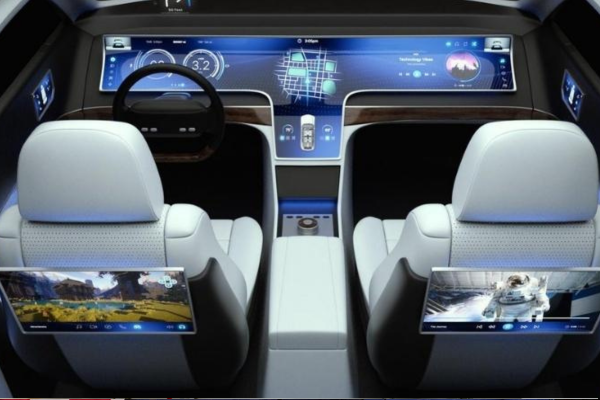
Modern cars are collecting massive amounts of personal data from drivers, raising new fears about privacy, surveillance, and rising insurance costs as automakers expand internet-connected technology inside vehicles.
What once symbolised freedom is now becoming a rolling data machine.
Experts say today’s vehicles can gather information ranging from location history and driving behaviour to facial expressions, body language, and even biometric details. Much of that information can then be shared with insurers, third-party companies, and data brokers.
“Your life can be recreated almost on a second-by-second basis,” Darrell West, a senior fellow at the Brookings Institution’s Center for Technology Innovation, said.
The Rise of Connected Cars and Telematics
The rapid growth of Connected Cars is accelerating the issue. Consulting firm McKinsey estimated that half of all cars on the road in 2021 already had internet connections. The company expects that number to rise to 95% by 2030.
These vehicles use sensors, cameras, infotainment systems, and mobile app connections to collect data about drivers. Some systems monitor speeding, hard braking, seatbelt use, destinations, and even behaviour inside the car.
Insurance companies are increasingly using Telematics systems to analyse that information. Drivers are often promised discounts for sharing their data, but some consumers have instead seen higher premiums.
A Maryland state analysis found that only 31% of drivers using telematics programmes saw insurance costs drop, while 24% experienced increases and 45% saw no change.
Why Auto Insurance Companies Want Your Data
Privacy advocates warn that insurers and data brokers are building detailed profiles of drivers.
One example involved General Motors allegedly sharing driver data with LexisNexis, a major consumer data broker. According to reports cited in the article, one driver discovered the company had collected 130 pages of trip information over six months.
The driver later learned that the data may have contributed to a 21% jump in insurance costs.
US regulators later barred GM from selling vehicle data for five years unless it obtains clear driver consent. However, critics say the wider industry practice continues.
“Insurance companies have been collecting vast amounts of consumer driving data,” said Michael DeLong of the Consumer Federation of America. He said the information can be used to charge higher premiums or deny coverage.
Growing Fears Over Data Privacy
A 2023 study by Mozilla reviewed the privacy policies of 25 car brands and concluded that every single company failed its privacy standards.
Mozilla called cars “the worst product category we have ever reviewed for privacy.”
The report found that some automakers reserve the right to collect sensitive information, including age, race, weight, facial expressions, and psychological trends.
Privacy analyst Jen Caltrider said many consumers have little idea how much information is being gathered. “They’re taking all the information they collect on you and using it to make inferences about who you are,” she said.
Experts also warn that there are few restrictions on how vehicle data can be used once it leaves the car. In some cases, law enforcement agencies can buy data from brokers without obtaining search warrants.
New Federal Rules Could Expand Surveillance
The concerns are growing as the US prepares to introduce new impaired-driving prevention systems in vehicles.
The law will require car manufacturers to install technology capable of detecting whether drivers are drunk, tired, or distracted using infrared cameras and behavioural monitoring systems.
Safety advocates support the goal of reducing road deaths, but critics say the legislation contains no clear protections governing how biometric data may be stored or shared.
Privacy groups fear the technology could create a new layer of medical and behavioural surveillance inside personal vehicles.
Despite growing criticism, experts say drivers still have limited options.
Consumers can adjust privacy settings, request copies of their data in some regions, and avoid enrolling in insurance telematics programmes if they have concerns. But advocates argue the larger issue remains unresolved.
“Until we own our data and companies have to ask permission to use it, this issue is just going to keep getting worse,” Caltrider said.