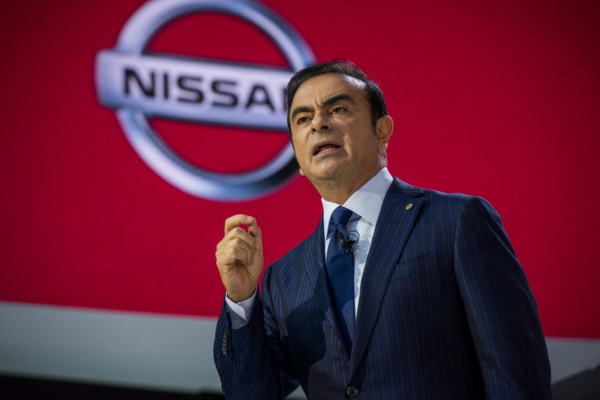
Carlos Ghosn remains one of the most dramatic figures in modern automotive history.
For many years, he was seen as the man who rescued Nissan from collapse. Later, he became the centre of one of the most extraordinary corporate scandals the car industry has ever seen.
Ghosn, a Brazilian-born businessman with Lebanese, French and Brazilian citizenship, became famous for his role in rebuilding Nissan after Renault took a major stake in the Japanese carmaker. He later became one of the most powerful executives in the global auto industry, leading the Renault-Nissan alliance and later playing a key role after Nissan took control of Mitsubishi Motors. AP reported that Ghosn led Nissan for two decades and helped rescue the company from near-bankruptcy before his arrest in 2018.
His leadership style was tough, direct and results-driven. At Nissan, he cut costs, closed factories, reduced debt and pushed the company back into profit. That earned him hero status in Japan, where foreign executives rarely reached such influence inside major domestic companies.
But his story changed completely in November 2018.
Ghosn was arrested in Japan on charges including breach of trust, misuse of company assets and violations of securities laws linked to the disclosure of his compensation. He denied wrongdoing and has repeatedly argued that he was the victim of a corporate and political plot to remove him from power.
Then came the escape that turned the story into a global headline.
In December 2019, while awaiting trial in Japan, Ghosn fled the country. AP reported that he escaped by hiding in a box that was placed aboard a private jet. He travelled to Lebanon, where he has lived since. Lebanon has no extradition treaty with Japan and does not extradite its citizens.
The legal battle did not end there.
Ghosn later filed a $1 billion lawsuit against Nissan and other defendants in Beirut. He claimed he was detained in Japan on false charges because of what he described as disinformation spread against him. The lawsuit seeks damages, compensation, salary, retirement funds and stock options.
In France, the case also continued. In July 2025, French judges ordered Ghosn and French Culture Minister Rachida Dati to stand trial over alleged corruption and abuse of power connected to consulting fees paid by the Renault-Nissan alliance. Reuters reported that both Dati and Ghosn denied wrongdoing.
Ghosn has not left Lebanon since 2019. Reuters reported that he remains there because of an Interpol Red Notice issued by Japan. Interpol states that a Red Notice is a request to law enforcement worldwide to locate and provisionally arrest a person, but it is not itself an international arrest warrant.
For the auto industry, the Carlos Ghosn story is more than a personal scandal. It is a lesson in power, governance, culture and control.
He showed how one bold leader could transform a struggling carmaker into a global force. But his fall also exposed the risks of concentrated power, weak board oversight and deep tension inside multinational alliances.
Today, Nissan, Renault and Mitsubishi continue to rebuild their relationship without the man who once held the alliance together.
Carlos Ghosn’s legacy is now divided.
To some, he is the executive genius who saved Nissan. To others, he is a fugitive who escaped justice. But one thing is certain: few people have shaped the modern car industry as dramatically as Carlos Ghosn.
Read also: Nissan Juke goes electric, targets longer range and lower ownership costs