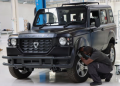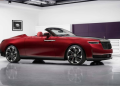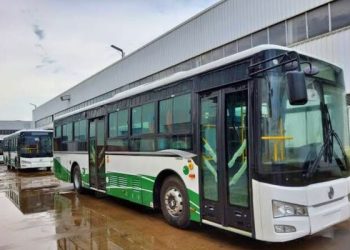
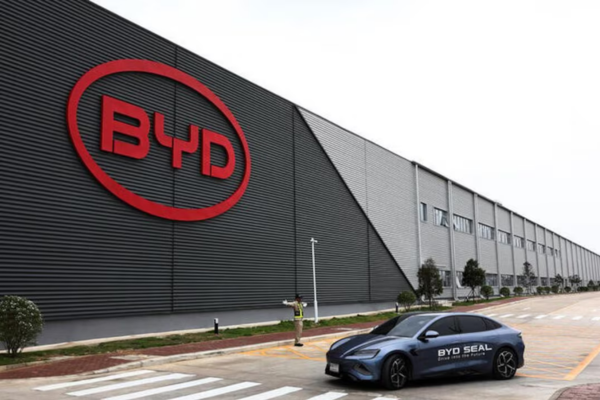
BYD is facing a new challenge many carmakers would welcome: demand is moving faster than supply.
The Chinese electric vehicle giant is dealing with tight battery production as buyers rush towards its latest flash-charge models. The pressure comes as BYD expands across several brands, including Dynasty, Ocean, Denza and Yangwang.
According to CarNewsChina, BYD chairman and president Wang Chuanfu said the company is facing battery supply constraints as several new models enter production. Outstanding orders for BYD’s flash-charge vehicles are estimated to have passed 140,000 units.
The situation shows how quickly consumer interest can grow when electric cars become easier to live with. For many drivers, the biggest barrier to buying an EV is not the car itself. It is the fear of waiting too long to charge.
BYD is trying to solve that problem with its new-generation Blade Battery and flash-charging technology. Reuters reported that the system can charge from 20% to 97% in under 12 minutes, even in temperatures as low as minus 20°C. Some versions are also expected to deliver up to 777km, or 483 miles, of driving range.
Other reports say BYD’s high-power charging system can reach 1,500kW, a level designed to make charging feel closer to refuelling a petrol car. TechNode reported that the system can charge a compatible vehicle to 70% in five minutes and to full charge in around nine minutes, under suitable conditions.
For drivers, that could make a major difference. Faster charging means less time waiting on long trips, more confidence during daily use and fewer doubts about switching from petrol or diesel.
BYD is also building the network to support the technology. The company plans to install about 20,000 flash-charging stations in China by the end of 2026, including city and highway locations. CnEVPost reported that BYD had already built 4,239 stations as of early March.
Reuters also reported that BYD is targeting around 6,000 overseas flash-charging stations over the next 12 months. That would make the technology part of a wider global push, not just a domestic China strategy.
The battery shortage, however, reveals the difficult side of rapid growth. When production cannot keep up, buyers may face longer waiting times. Dealers may also struggle to meet demand for the most popular models.
It also shows how important batteries have become to the future of the car industry. In the petrol era, the engine was the heart of the vehicle. In the electric era, the battery is the product, the supply chain and the competitive advantage.
For BYD, the pressure may be frustrating. But it also sends a clear message to the wider market. When charging becomes faster and more convenient, more people appear ready to consider electric cars.
That matters beyond China. Around the world, carmakers are trying to convince drivers that EVs can be practical, affordable and reliable. BYD’s latest challenge suggests the demand is there when the technology answers a real consumer fear.
The company’s next test is execution. It must increase battery output, deliver vehicles on time and build charging stations quickly enough to support its growing customer base.
For now, BYD’s problem is a powerful one. It is not struggling to find buyers. It is struggling to build enough batteries for them.