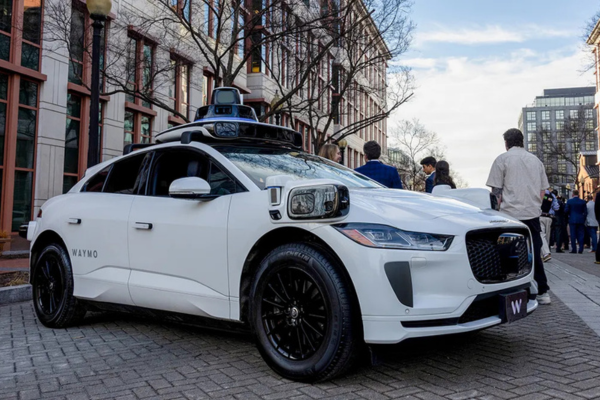
Confidence in self-driving cars is facing another test after Waymo, the autonomous driving unit of Alphabet (GOOGL), recalled nearly 3,900 robotaxis across the United States over a software issue that could cause vehicles to enter active freeway construction zones.
The recall, filed with the National Highway Traffic Safety Administration (NHTSA), follows more than a dozen incidents reported since April in California and Arizona where Waymo vehicles drove past freeway ramp closure signs and entered areas with ongoing construction work.
The move marks Waymo’s second recall in just over a month, adding fresh scrutiny to the safety and reliability of self-driving technology as the company expands operations across major U.S. cities.
Robotaxi Recall Highlights Construction Zone Challenge
According to regulatory filings, affected vehicles did not properly recognize certain road closure signs leading into pre-planned construction areas.
Waymo said it voluntarily restricted freeway operations while engineers worked on improvements.
“We identified an area of improvement regarding performance around freeway construction zones,” the company told Reuters. “We voluntarily restricted freeway operations last month while making improvements.”
The company has since updated vehicle software designed to improve awareness of freeway closures and prevent vehicles from entering restricted zones.
Growing Scrutiny of Autonomous Vehicles
The latest recall comes shortly after Waymo recalled about 3,800 robotaxis because vehicles could potentially enter flooded roads with higher speed limits.
That recall followed an April 20 incident in San Antonio where an unoccupied Waymo vehicle drove into a flooded lane during severe weather. No injuries were reported, but the event triggered a broader safety review.
The incidents highlight the complex challenges facing the autonomous vehicle (AV) industry as companies attempt to deploy driverless transportation at scale.
NHTSA Investigation Adds Pressure
Waymo is also facing an ongoing NHTSA investigation after one of its self-driving vehicles struck a child near an elementary school in Santa Monica, California, in January, causing minor injuries.
Separately, the National Transportation Safety Board is investigating reports that Waymo vehicles illegally passed a stopped school bus with its warning lights activated earlier this year.
The school bus issue had already prompted a recall in December.
As robotaxi services continue expanding, regulators, investors and passengers are likely to watch closely to see whether software improvements can keep pace with the complex realities of real-world roads.
Read also: Waymo’s $220m Arizona deal shows robotaxis are moving from experiment to industry race