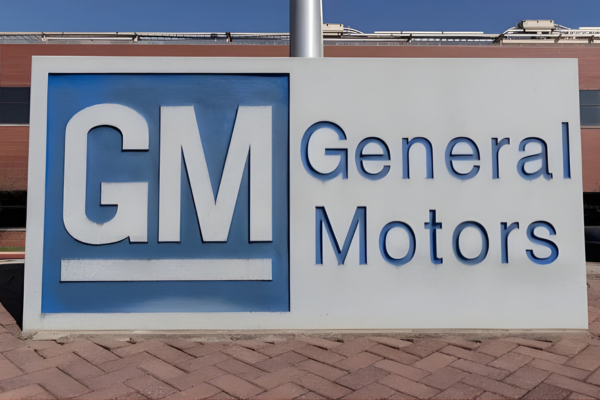
General Motors and Samsung SDI have paused construction of a major electric vehicle battery plant in Indiana, raising fresh concerns about the pace of America’s EV transition.
The factory in New Carlisle had been presented as one of Indiana’s biggest industrial development projects. It was expected to bring more than 1,600 jobs and strengthen the US battery supply chain. Samsung SDI previously said the project would involve about $3.5bn in combined investment.
The plant was designed to produce battery cells for future GM electric vehicles. Initial production capacity was expected to be 27 gigawatt hours a year, with room to expand to 36 gigawatt hours. Mass production had been targeted for 2027.
But the project has now been slowed. A GM spokesperson confirmed that construction would be paused “to align production capacity with current demand”, according to WVPE, a public radio station covering the South Bend region.
For workers and local businesses, the pause creates uncertainty. A plant of this size does not only affect automakers. It affects construction workers, suppliers, restaurants, hotels, transport firms and families who had expected long-term economic activity.
Local officials said work would continue to secure the site. However, GM and Samsung SDI have not yet given a new timetable for when full construction or production will resume.
The decision comes at a difficult time for the US EV market. Electric vehicles are still growing, but demand has not always matched the speed of earlier industry forecasts. Some carmakers have delayed models, adjusted factory plans and reduced near-term EV targets.
That does not mean the EV transition has failed. It means the industry is entering a more cautious phase. Automakers are trying to balance battery investment, consumer affordability, charging infrastructure and shareholder pressure.
The Indiana plant was important because batteries remain the most expensive and strategic part of an electric vehicle. Local battery production can reduce costs, shorten supply chains and make future EVs more competitive.
A delay therefore has wider consequences. It may slow job creation in Indiana. It may also affect GM’s ability to scale future electric models quickly and cheaply.
The pause also highlights a bigger risk for legacy automakers. If they move too slowly, they could lose ground to global rivals that continue investing heavily in batteries, software and affordable EV platforms.
For consumers, the message is more practical. EV prices, charging access and running costs still matter more than corporate announcements. A good EV can still reduce fuel and maintenance costs for drivers who have the right budget and charging setup.
For Indiana, however, the question is now about trust. Communities need clear timelines, honest communication and firm commitments when billion-dollar projects are delayed.
GM and Samsung SDI have not abandoned the project. But the pause shows how fragile the road to electrification can be when demand, policy and profit pressure all move at once.
Read also: GM tops US auto sales in 2025 with 2.85 million vehicles delivered