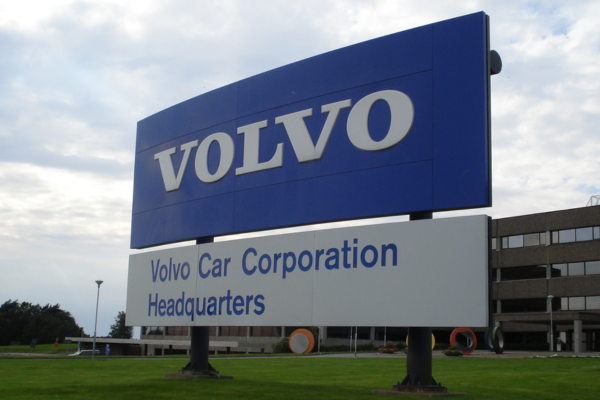
Volvo is standing firm on electric vehicles, even as some major carmakers slow their EV ambitions.
For drivers, that could mean more choice, better technology and lower running costs in the years ahead. It also signals that Volvo still sees electric cars as the long-term direction of the global car market.
The Swedish carmaker has chosen to focus its internal investment on electric vehicles and software-defined cars. That decision comes at a difficult time for the industry, with high development costs, weaker demand in some markets and changing government incentives.
Volvo’s chief commercial officer, Erik Severinson, told MotorTrend that the company made the decision about five years ago. He said Volvo could not afford to chase every technology at once.
“If you bet on everything, you focus on nothing,” he said.
Volvo is smaller than many global carmakers. That means it must be careful about where it spends money, engineering time and management attention.
Instead of trying to lead in petrol engines, hybrids, EV platforms and advanced software all at once, Volvo has made a clear choice. It wants to put its strongest internal effort into electric vehicles and digital technology.
That strategy is already visible in its sales figures.
Volvo sold 153,316 cars globally in the first quarter of 2026, down 11% from the same period in 2025. But fully electric sales rose 12% during the quarter. Battery-electric cars made up 23.7% of Volvo’s global sales, while plug-in hybrids accounted for 23.6%. Together, electrified models represented 47.3% of all Volvo cars sold in the period.
Those numbers show the challenge and the opportunity. Volvo is facing a tougher global car market, but its electric business is still growing.
The company said fully electric cars remained a key growth driver. It also said EV sales helped it end the quarter on a stronger note, despite pricing pressure, tariffs, regulatory changes and geopolitical uncertainty.
Volvo’s approach is not to abandon hybrids completely. In markets such as the United States, plug-in hybrids still act as a bridge for customers who are not ready to move fully electric.
That matters because EV adoption is not moving at the same speed everywhere. Some drivers still worry about charging access, range, resale values and the upfront cost of electric cars.
Volvo’s answer appears to be patience, not panic.
The company still believes EVs are the stronger long-term product. Chief executive Håkan Samuelsson told MotorTrend that electric cars are better for the environment and cheaper to run over time.
For customers, that focus could bring real benefits. Electric cars usually have fewer moving parts than petrol or diesel cars. That can reduce maintenance needs over time.
Charging can also be cheaper than buying fuel, depending on electricity prices and charging habits. For many drivers, the biggest savings come from home charging and lower servicing costs.
Volvo is also using partnerships to reduce the financial pressure of the transition. The company still works with businesses inside the wider Geely group on combustion and hybrid technology. That allows Volvo to keep more of its own resources focused on EV platforms, software and design.
Its close relationship with Polestar is another important part of the plan.
The Volvo EX90 and Polestar 3 share the same underlying platform. Both are being produced at Volvo’s plant near Charleston, South Carolina. That shared development helps reduce cost and speed up production.
This is important because EV development is expensive. Batteries, software, safety systems and new production methods require heavy investment.
For a smaller premium carmaker, sharing platforms can make the difference between ambition and delivery.
Volvo’s decision also comes at a time when some rivals are softening their EV targets. Several carmakers have increased their focus on hybrids after slower EV growth in parts of the market.
Volvo is taking a different route. It is not pretending the transition is easy, but it is still building around where it believes the market is going.
That could make the brand more attractive to buyers who want certainty. Many customers want to know that the company behind their car will continue improving software, charging support and electric platforms.
Volvo’s message is clear. The road to full electrification may be uneven, but the destination has not changed.
For drivers, the reward could be cleaner cars, smarter technology and lower long-term ownership costs. For Volvo, the risk is that the market takes longer than expected.
But the company appears willing to make that bet.
As Severinson put it, focusing on everything can mean leading in nothing. Volvo has chosen its lane, and for now, that lane is electric.
Read also: Volvo offers free upgrades to EX90 owners in move to win back trust