Volkswagen workers in Germany could be offered a new lifeline under a proposal from one of the carmaker’s most powerful shareholders.
Olaf Lies, the premier of Lower Saxony, has suggested that Volkswagen should consider building some China-focused models in Germany. His aim is simple: keep factories busy, protect jobs and give German plants a new role in the company’s global future.
Lower Saxony is not an ordinary shareholder. The German state holds 20% of Volkswagen’s voting rights and has major influence over key decisions at the company. It is also home to several important VW production sites.
The proposal comes at a tense moment for Europe’s biggest carmaker. Volkswagen is reportedly considering a major restructuring that could include closing four German factories and cutting up to 100,000 jobs over the coming years.
The sites reportedly under review include Hanover, Zwickau, Emden and Audi’s Neckarsulm plant. If the plans go ahead, they would mark one of the biggest industrial shake-ups in the history of the global car industry.
Volkswagen has not confirmed the full details of the reported plan. The company has said the matter is still being discussed and must go through its internal decision-making process.
The pressure on Volkswagen has been building for years. The company is facing weaker demand in Europe, higher costs in Germany, competition from Chinese electric vehicle makers and pressure from US tariffs.
China has become one of the toughest battlegrounds. Volkswagen was once one of the strongest foreign carmakers in the Chinese market. But local rivals such as BYD, Geely, SAIC and Chery have moved faster in electric vehicles, software and pricing.
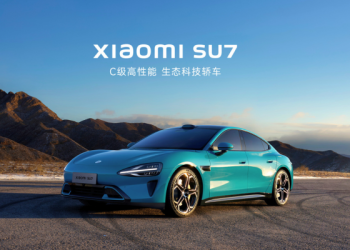
This has forced Volkswagen to rethink how it designs and builds cars. In China, the company has been developing models more quickly with local partners and China-based engineering teams.
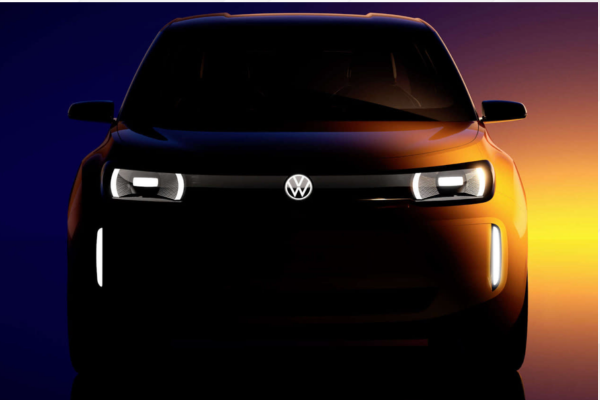
Mr Lies believes some of those China-developed models could now help Germany. His argument is that German factories should not only wait for old production volumes to return. Instead, they should be used for new products, new technology and faster industrial renewal.
For workers, the idea may offer hope. German car plants are not just factories; they are the economic heart of many towns and families. A closure would affect suppliers, local businesses and thousands of households.
For Volkswagen, the challenge is more complex. Producing China-focused models in Germany could protect capacity, but it may also raise cost questions. German labour and energy costs remain higher than in China.
The company must also decide whether vehicles designed for Chinese buyers can be sold successfully in Europe or exported profitably from Germany. That will depend on price, demand, regulation and brand positioning.
Volkswagen’s financial results show why the debate is urgent. The group delivered about 8.98 million vehicles in 2025. It generated €321.9bn in sales revenue, but operating profit fell sharply to €8.9bn.
The figures underline a difficult truth. Volkswagen remains huge, but size alone no longer guarantees strength. The industry is moving toward electric vehicles, digital platforms and lower-cost production models.
There is also a political dimension. Any deep cuts in Germany would face strong opposition from unions and regional leaders. Volkswagen’s governance structure gives workers and Lower Saxony unusual power in major decisions.
That makes a simple closure plan difficult. It also gives ideas like Mr Lies’ proposal more weight, because they offer an alternative to cuts.
The message from Lower Saxony is clear. Volkswagen should not treat German factories as yesterday’s problem. It should make them part of tomorrow’s solution.
Whether that can work commercially remains uncertain. But the debate shows how far the global car industry has changed.
German carmakers once taught the world how to build modern cars. Now, they are learning from China’s speed, cost discipline and electric vehicle strategy.
For Volkswagen, the next decision could define more than factory capacity. It could shape the future of German car manufacturing itself.
Read also: Volkswagen crisis deepens as China profits collapse and stock hits 15-year low