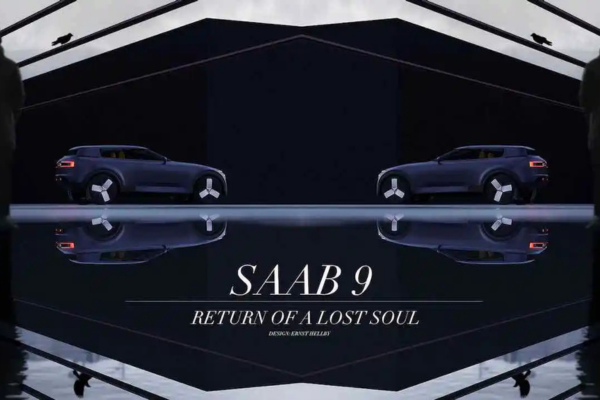
Saab was never just another car company. It was different by design.
Born from Swedish aircraft engineering, Saab built cars for people who wanted something smarter, safer, and more individual than the mainstream. Its vehicles were aerodynamic, practical, and quietly rebellious. They didn’t shout for attention, they earned loyalty through character.
For many drivers, owning a Saab wasn’t just a purchase. It was a statement of taste. Saab owners loved the brand because it refused to follow the crowd. The ignition key between the seats, the cockpit-style dashboard, the turbocharged engines, the focus on safety, and the unconventional design language all made Saab feel special.
But that uniqueness became harder to protect once the brand entered the world of global corporate control.
General Motors first took a major stake in Saab in the late 1980s, before acquiring full ownership in 2000. On paper, the logic was clear. Saab needed scale, capital, platforms, and global distribution. GM needed a European premium brand with personality and engineering credibility.
It looked like a smart marriage. In reality, it became a cautionary tale.
Saab’s greatest strength was its identity. But inside a large corporation, identity can easily become a cost problem. The very things that made Saab different also made it difficult to manage. Its cars were niche. Its engineering culture was independent. Its customers were loyal — but not numerous enough to guarantee mass-market success.
GM tried to make Saab more efficient and profitable. That meant platform sharing, cost control, and a push toward broader appeal. But the more Saab was pulled toward the center of GM’s global system, the more it risked losing the edge that made people love it in the first place.
This is where the story becomes painful. Saab didn’t fail because people stopped admiring it. It failed because admiration alone couldn’t fund product development, factory investment, and global competition. The brand had passion, but not enough scale. It had loyal fans, but not enough volume. It had soul, but not enough corporate protection.
By the late 2000s, the global financial crisis placed enormous pressure on General Motors. Saab became one of the vulnerable assets in a much larger survival battle. GM eventually sold the brand to Spyker in 2010, but the rescue came too late. Saab needed deep investment, fresh models, and stability. Instead, it faced supplier issues, funding gaps, and failed rescue attempts.
In 2011, Saab Automobile filed for bankruptcy. For its loyal fans, it felt like more than the end of a car company. It felt like the loss of a rare automotive personality.
The tragedy of Saab is not just that it disappeared. It’s that it disappeared at a time when the industry needed more original thinking, not less. Today, carmakers talk about brand DNA, design language, customer communities, and emotional connection. Saab had all of that long before it became fashionable.
But the Saab story teaches one powerful lesson: when a global corporation acquires a niche brand, it must protect what makes that brand special. Scale can reduce costs, but it can also dilute character. Shared platforms can improve efficiency, but they can also weaken emotional loyalty. A brand cannot survive on heritage alone — but it also cannot survive if that heritage is treated as an inconvenience.
Saab lost its battle, but not its meaning. Its cars still have devoted followers around the world. Its museum in Trollhättan preserves the memory of a company that dared to think differently. And its name still carries a quiet warning to the modern automotive industry.
Not every brand should be forced to become mainstream. Sometimes, the very thing that makes a company difficult to manage is also what makes it worth saving.
Read also: Carlos Ghosn says only he can save Nissan again as investors voice frustration