When Nigerians set out to buy a vehicle, attention often centres on price, fuel economy, performance, design, comfort and the availability of spare parts. These are important considerations, but there is another critical question buyers sometimes fail to ask: what happens after the vehicle leaves the showroom?
For many motorists, the real test of a vehicle begins after the excitement of taking delivery has faded. It comes when the car is due for routine servicing, develops a fault or suddenly breaks down.
That is why after-sales support should be a major consideration in every vehicle purchase.
Buying a vehicle is a long-term financial commitment. Beyond the purchase price are maintenance costs, replacement parts, repairs and the economic consequences of having the vehicle off the road. A car that appears affordable at the point of purchase can quickly become expensive if parts are scarce, repairs take too long or qualified technicians are difficult to find.
Vehicle reliability is important, but even the best-engineered automobiles require regular maintenance and occasional repairs. Buyers should therefore look beyond the vehicle itself and examine the capacity of the distributor or dealer supporting it.
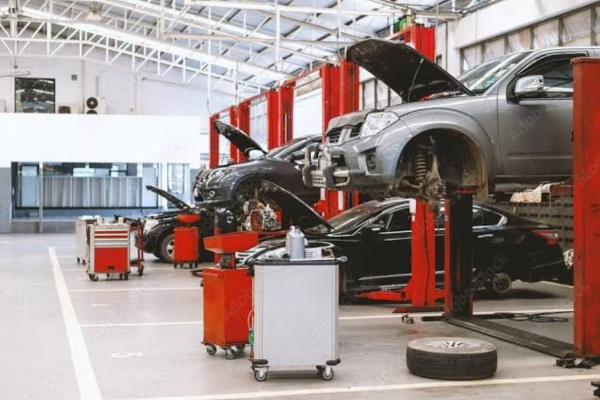
Does the company maintain properly equipped workshops? Are trained technicians available? Are genuine spare parts readily accessible? Is the warranty clearly defined? How quickly are customer complaints resolved? What happens when a vehicle cannot be repaired within the expected period?
These questions are particularly important in Nigeria, where many families depend heavily on their vehicles for commuting to work, taking children to school, attending appointments and running businesses. Keeping a vehicle off the road for several days can create considerable disruption and additional expense.
For businesses, the consequences can be even greater. Companies buying vehicles for executives, sales teams, field personnel or operational duties must recognise that downtime has a direct cost. Fleet procurement should therefore consider the total ownership experience rather than focusing solely on purchase price and vehicle specifications.
There are signs that Nigeria’s automotive industry is paying greater attention to this aspect of vehicle ownership.
Carloha’s CarlohaCare 6-6-7 programme, for instance, provides an example of how after-sales support can be built around specific commitments. The programme combines a six-year warranty, six years of free servicing and a seven-day repair promise, subject to applicable terms and conditions. CarlohaCare Rescue also extends assistance beyond the workshop by providing roadside support.
The significance of such initiatives goes beyond one automotive company. They demonstrate the type of measurable commitments buyers should increasingly demand from vehicle distributors and dealers.
As competition in Nigeria’s automobile market grows, after-sales service should become an important measure of brand credibility. Companies should not merely promise customers excellent service; they should clearly explain what that service entails and demonstrate their capacity to deliver it.
Consumers also have a role to play by asking the right questions before committing their money. What exactly does the warranty cover? How long does it last? Are scheduled services included? Are genuine parts readily available? Is roadside assistance provided? And what happens when repairs cannot be completed within a reasonable period?
Clear answers to these questions can be just as important as engine capacity, fuel consumption or the features displayed on a specification sheet.
Ultimately, the value of a vehicle is determined not only by how it performs on the day it is purchased, but by how reliably it can be used and maintained throughout its ownership life.
Nigeria’s automotive market will be stronger when after-sales service becomes a standard part of every vehicle-buying decision rather than something customers discover only after a problem occurs.
The message for every prospective buyer is simple: don’t just ask what the car can do. Ask who will take care of it after you buy it.