The global auto industry is entering a new era and affordability is becoming the battleground.
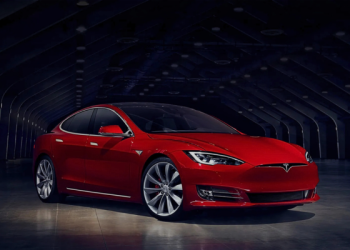
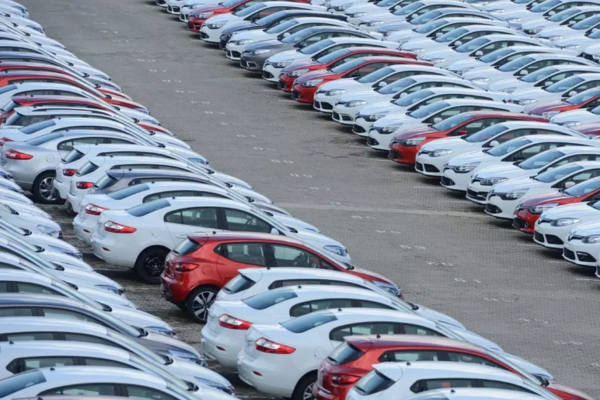
New figures highlighted in a Reuters report reveal that the average price of a new car in the United States is now roughly equal to the combined cost of China’s five best-selling electric vehicles. The comparison offers a striking glimpse into how rapidly China’s EV market has evolved and how aggressively manufacturers are cutting prices to dominate the future of mobility.
According to Kelley Blue Book, the average new car listing price in the United States reached $51,456 in March 2026. In contrast, the combined starting prices of China’s top five electric models total around $49,440.
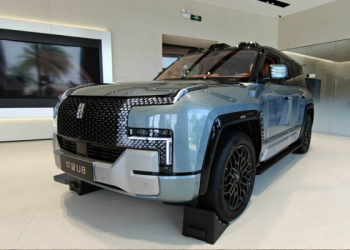
Those vehicles include the BYD Seagull, BYD Yuan UP, BYD Qin Plus DM, Geely EX2 and the Wuling Hongguang MiniEV. Each of those models starts below $12,000.
The gap is remarkable because the United States and China are the world’s two largest automotive markets. Yet the direction of travel in both countries is becoming dramatically different.
In China, electric vehicle adoption is accelerating at record speed. The country accounted for nearly two-thirds of all global EV sales in 2024, according to the International Energy Agency. That figure has surged from around half of worldwide EV sales just three years earlier.
Lower prices are a major reason behind that growth.
Chinese automakers are locked in one of the fiercest price wars the industry has ever seen. Manufacturers are slashing margins, introducing new models at rapid pace, and packing vehicles with advanced technology to attract buyers.
Consumers are benefiting from cheaper EVs with longer driving ranges, modern interiors, and smart digital features once reserved for premium cars.
In the United States, the EV transition has moved more slowly.
Federal tax incentives were expected to accelerate adoption, but many vehicles failed to qualify under local sourcing and battery production rules. Despite those hurdles, EV sales in America still climbed to around 1.6 million units in 2024.
However, affordability remains a major obstacle for many buyers.
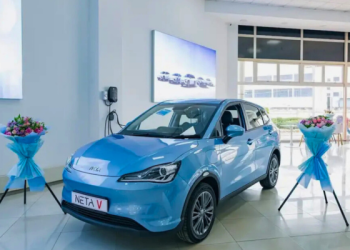
While China now offers more than 200 electric and hybrid models priced below $25,000, American consumers continue facing significantly higher entry costs. Many lower-income and middle-class households remain priced out of the EV market altogether.
The Reuters report highlights a growing global reality: the future of electric mobility may not be decided by luxury technology alone, but by who can build affordable vehicles at scale.
That challenge is already reshaping the global automotive industry.
Chinese brands are expanding aggressively across Asia, Africa, Latin America, and Europe, targeting price-sensitive markets where affordable transportation matters most. Meanwhile, Western automakers are under increasing pressure to lower production costs and accelerate development of cheaper EV platforms.
For consumers, the message is simple. The electric vehicle revolution is no longer just about sustainability. It is becoming a battle over accessibility, affordability, and who gets left behind in the transition away from petrol-powered cars.