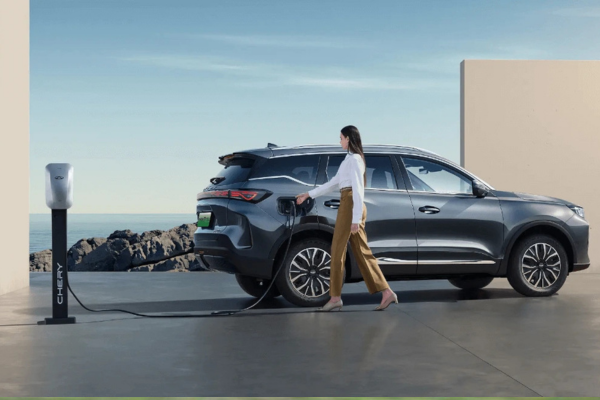
South Africa’s automotive market is showing a sharp shift toward electrified mobility, led by explosive growth in plug-in hybrid vehicles even as traditional engines still dominate.
According to the latest quarterly review from naamsa, plug-in hybrid electric vehicles (PHEVs) recorded a 430% increase in Q1 2026, rising from 241 units in Q1 2025 to 1,277 units.
The surge positions PHEVs as the fastest-growing segment in the country’s New Energy Vehicle (NEV) market South Africa, even as total NEV share remains small at just 4%.
“Consumers are beginning to favour plug-in vehicles over conventional hybrids,” the report noted, pointing to shifting demand patterns across the sector.
Electric Vehicle Market Growth vs Hybrid Decline
Battery electric vehicles (BEVs) also grew, rising 97% to 544 units. However, plugless hybrid electric vehicles declined 7% to 2,764 units, signaling a structural shift away from non-plug-in models.
Despite growth in electrified segments, internal combustion engine vehicles still dominate South Africa’s market.
Automotive Capital Expenditure and Industry Pressure
Total automotive capital expenditure R7.2 billion was recorded in 2025 among major light vehicle manufacturers, driven by new model investments and electrification planning.
However, industry pressure remains visible. Domestic vehicle production fell 5.3% in Q1 2026, while exports dropped 10.3%, reflecting weaker global demand outside Africa and North America.
Volkswagen Group Africa Prepares New PHEV Launch
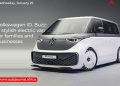
A major upcoming development is the introduction of the T7 Caravelle plug-in hybrid by Volkswagen Group Africa. The model features a 19.7 kWh battery and up to 91 km of electric driving range, signaling stronger OEM commitment to electrified mobility in the region.
Outlook
With rising fuel prices and geopolitical pressure on oil markets, analysts expect continued growth in both PHEVs and BEVs through 2026.
Read also: South Africa’s auto sales jump 7.5% as demand holds despite 6.75% repo rate