

More affordable electric vehicles could soon be within reach for thousands of drivers as Ford transforms one of its oldest manufacturing plants into a dedicated electric vehicle (EV) factory. The move marks a major milestone in the company’s transition toward cleaner transportation while introducing a faster and more efficient way to build vehicles.
After more than 70 years of producing petrol-powered vehicles, Ford’s Louisville Assembly Plant in Kentucky is undergoing a $2 billion transformation to manufacture the company’s upcoming Fathom electric pickup truck. The investment represents one of Ford’s biggest manufacturing upgrades in recent years and highlights the growing shift towards electrification across the global automotive industry.
Ford confirmed that extensive retooling work at the Louisville facility is progressing, with the factory being redesigned exclusively for electric vehicle production. The site previously built popular combustion-engine models, including the Ford Escape and Lincoln Corsair, before production was halted to make way for the new generation of EVs.
The scale of the transformation has been significant. Engineers removed around 25,000 tonnes of ageing manufacturing equipment from the plant. The machinery was transported away in more than 2,600 truckloads, with the materials recycled as part of the redevelopment project.
Construction teams also poured concrete across more than 230,000 square feet of factory floor to accommodate new production systems. The redesign introduces advanced manufacturing technologies intended to improve efficiency while creating a safer working environment for employees.
One of the biggest changes is the introduction of Ford’s new “assembly tree” production system. Unlike traditional assembly lines, where vehicles are built from front to back on a continuously moving conveyor, the new process allows major sections of the vehicle to be assembled separately before they are joined together later in production.
This modular approach enables workers to install major components much earlier in the manufacturing process. The structural battery pack, seats, centre console and carpeting are fitted together before the vehicle body is completed, reducing the need for employees to work inside confined spaces.
Ford expects the new manufacturing process to reduce overall assembly time by 15%. The company believes the redesigned workflow will improve productivity while reducing physical strain on workers and allowing quality issues to be identified much earlier.
The company has also redesigned how vehicle software is installed. Instead of waiting until final assembly, software modules can now be tested and updated before they are fitted to the vehicle. This approach is expected to reduce production delays and improve overall quality.
Bryce Currie, Ford’s Chief Manufacturing Officer, said the redesign was heavily influenced by employee feedback.
“We listened to all the things operators don’t like,” Currie said, explaining that worker comfort played a central role in the factory’s redesign.
The investment also carries significant commercial importance. The Louisville plant will produce Ford’s upcoming Fathom electric pickup, which the automaker expects to start at approximately $30,000. Delivering an affordable electric truck could strengthen Ford’s position in one of the world’s most competitive automotive segments.
Affordability remains one of the biggest challenges facing the electric vehicle industry. While EV sales continue to grow globally, many consumers still consider purchase prices too high. Lower manufacturing costs could allow automakers to offer more competitively priced vehicles without sacrificing profitability.
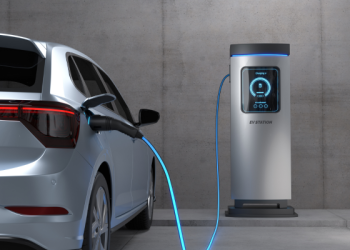
For consumers, electric vehicles offer financial benefits beyond the showroom. EV owners generally spend less on energy than drivers of petrol-powered vehicles and avoid routine maintenance costs such as oil changes. Electric powertrains also contain fewer moving parts, reducing wear and lowering long-term servicing expenses.
The environmental impact could also be substantial. Replacing petrol-powered vehicles with battery-electric models helps reduce tailpipe emissions, improving air quality and supporting wider efforts to cut greenhouse gas emissions. As renewable electricity becomes more common, the environmental benefits of EV ownership are expected to increase further.
Ford’s investment signals more than the modernisation of a single factory. It reflects a broader transformation taking place across the automotive industry as manufacturers race to develop affordable electric vehicles, improve production efficiency and prepare for a future where battery-powered transportation becomes the global standard.
Read also: Ford recalls more than 565,000 Broncos over engine fire risk










![Tesla [Source: Investopedia]](https://autojournal.africa/wp-content/uploads/2024/04/Tesla-Source-Investopedia-120x86.png)