Israel’s largest defense companies and government-linked agencies are increasingly moving away from Chinese-made vehicles, turning what was once a routine fleet purchasing decision into a debate about National Security, Cybersecurity, and foreign influence.
The latest move came from Elbit Systems, one of Israel’s biggest defense contractors, which informed employees that Chinese-made leased vehicles, including Geely models, would gradually be removed from its fleet of about 4,400 vehicles and replaced with alternatives from Toyota, Hyundai, and Skoda.
Defense Contractors Lead Fleet Changes
Elbit’s decision follows similar moves by other security organizations.
The Israeli military has already expanded restrictions on Chinese vehicles. What began as a ban on access to intelligence facilities later grew into broader restrictions affecting military bases and vehicles used by career personnel.
Defense company Rafael has also reportedly phased out Chinese-made Chery vehicles from its fleet.
The shift reflects growing concerns about potential risks associated with connected vehicle technologies, including cameras, software updates, and data systems commonly found in modern vehicles.
Cybersecurity Concerns Reach Government Fleets
The debate is spreading beyond the defense sector. Israeli police have used BYD vehicles, while water utility Mekorot and the Israel Electric Corporation operate fleets containing Chinese-made passenger vehicles.
Several agencies are now reviewing their vehicle policies as concerns grow over the role of Chinese manufacturers in critical infrastructure and security-sensitive environments.
Industry sources say Elbit’s decision has already created ripple effects across organizations connected to defense activities.
Electric Vehicle Fleet Management Faces New Challenges
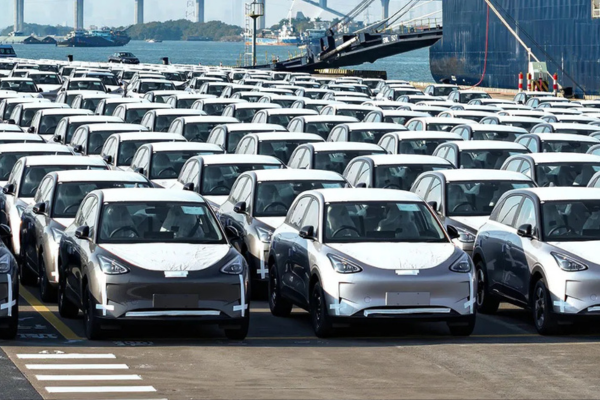
The transition may not be simple. Chinese manufacturers dominate Israel’s electric vehicle market. Internal transportation data reviewed by Calcalist shows fleet registrations are heavily concentrated among Chinese brands, including Chery and Jaecoo.
Many organizations seeking electric or plug-in hybrid vehicles have limited alternatives because Chinese manufacturers currently dominate these categories.
Automotive Cybersecurity Legislation Remains Unfinished
The debate has also highlighted gaps in Israel’s regulatory framework.
A proposed Automotive Cybersecurity Legislation bill published in December 2025 would grant the Transportation Ministry broader authority over vehicle cybersecurity issues. However, the legislation has not yet advanced through parliament.
Meanwhile, the ministry says it is preparing professional guidelines for fleet operators while reviewing the potential economic impact on businesses and vehicle owners.
With Chinese brands representing more than 40% of Israel’s vehicle market, future restrictions could have significant consequences for government agencies, defense contractors, businesses, and private drivers alike.
Read also: Five EVs took 20% of global electric car sales as Tesla, Chinese brands squeezed rivals