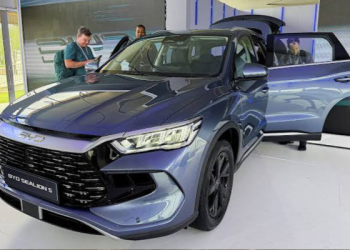

The global electric vehicle market has recorded another encouraging development, with sales returning to annual growth in October 2026.
According to Benchmark Mineral Intelligence, worldwide sales of battery-electric and plug-in hybrid vehicles increased by 8% year-on-year to 2.09 million units. Global sales for the first ten months reached 17.5 million, representing a 5% increase compared with the same period in 2025.
Europe is emerging as a major growth driver. The region recorded a 36% increase in October sales, reaching approximately 510,000 vehicles. Germany’s electric vehicle market penetration exceeded 45%, while the UK recorded 30% annual growth. Government incentives, rising fuel prices and an expanding range of electric models are helping support demand.
CHINA’S EXPORT STRATEGY IS BECOMING INCREASINGLY IMPORTANT.
While China’s domestic EV market declined by 12% year-on-year, its manufacturers continued expanding overseas. Passenger new-energy vehicle exports reached almost 600,000 units in October, setting another monthly record.
This development has important implications for the global automotive industry. Chinese manufacturers are increasingly looking beyond their domestic market, creating greater competition for established automakers and potentially expanding consumer access to electric vehicles.
WHAT DOES THIS MEAN FOR AFRICA?
Africa should pay close attention to these developments.
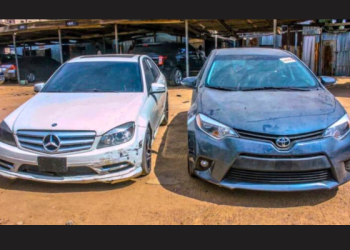
As Chinese manufacturers increase international exports, African markets could benefit from greater vehicle availability, competitive pricing and new opportunities for electric mobility.
However, affordability alone will not guarantee adoption. Governments and industry stakeholders must address charging infrastructure, electricity reliability, vehicle financing, maintenance networks and policies that encourage local automotive investment.
The opportunity goes beyond importing electric vehicles. Africa must also consider how to participate in the wider electric mobility value chain, including assembly, battery services, charging infrastructure and technical skills development.
The question is no longer whether electric mobility will influence Africa’s automotive future. It is whether the continent is prepared to take advantage of the opportunity.
What should African governments and automotive industry stakeholders prioritise to accelerate EV adoption while strengthening local manufacturing?
Read also: South Africa’s electric and hybrid vehicle sales surpass 2025 total