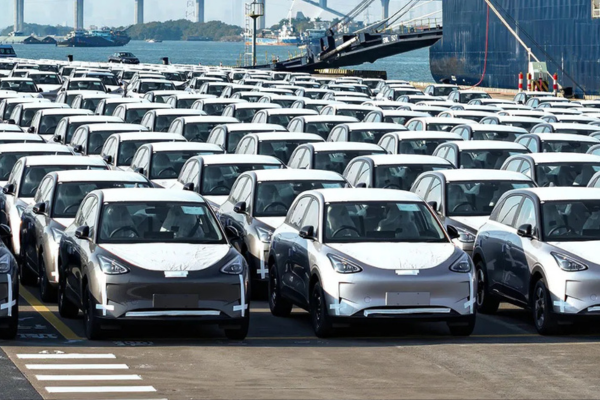
Chinese carmakers are racing into Canada despite limited sales opportunities, betting that the country could become the perfect testing ground for an eventual entry into the much larger U.S. market.
Just weeks after Canadian Prime Minister Mark Carney approved limited imports of Chinese-made electric vehicles, several major Chinese brands accelerated plans to establish dealer networks across Canada.
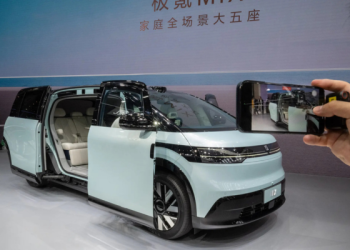
Among them is BYD, the world’s largest electric vehicle maker, which is preparing to open six Canadian dealerships while beginning regulatory procedures to import passenger vehicles. Chinese brands including Chery, Lotus and Changan are also pursuing Canadian expansion.
Industry executives say the move is less about immediate profits and more about preparing for future access to the United States.
“Canada is the practice run for the U.S.,” said Robert Kerwal of JD Power Canada.
Electric Vehicles and North American Market Strategy
Canada currently allows only 49,000 imported Chinese vehicles annually at a reduced tariff rate, making the market relatively small. Last year, Canada sold about 1.9 million vehicles compared with more than 16 million in the United States.
Still, automotive experts say Canada offers something more valuable than sales volume. Consumer preferences, dealership structures, and vehicle regulations closely resemble those in the United States.
Dan Hearsch of AlixPartners described a future transition into the U.S. market as similar to “flipping a switch” once Chinese automakers establish Canadian operations.
BYD, Tesla and Automotive Industry Competition
The push comes as Chinese manufacturers continue expanding globally.
According to Reuters, BYD sold 4.6 million vehicles last year and aims to increase overseas sales to half of total volume, up from 23%.
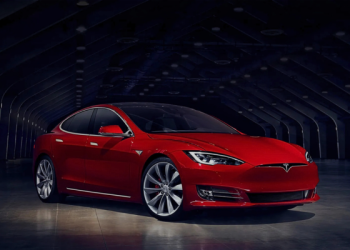
Meanwhile, Tesla (TSLA) has already demonstrated the potential of Chinese-built vehicles in Canada. The company imported more than 44,000 Chinese-made vehicles into Canada in 2023 before tariffs were imposed.
Critics remain concerned. The Alliance for Automotive Innovation warned that Canada’s policy could create a “backdoor” into the U.S. market, raising economic and national security concerns.
Despite current U.S. tariffs and restrictions, executives from Chinese automakers continue to express interest in selling vehicles in America when conditions become favorable.
For now, Canada appears to be the proving ground where China’s automotive ambitions are taking shape before a possible push into the world’s second-largest car market.