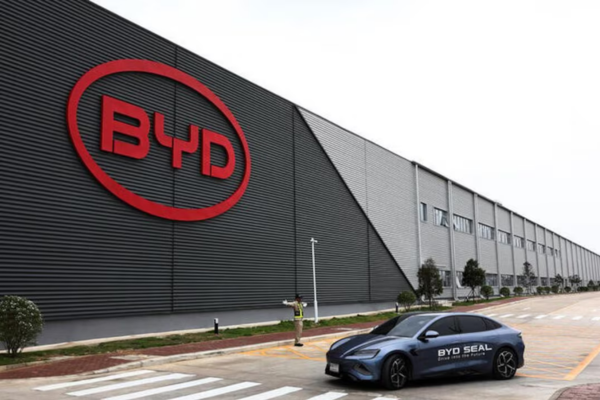
Brazil’s labour department is in chaos. The government just fired its top labour inspector, Luiz Felipe Brandao de Mello. Why? Because he refused to keep Chinese EV giant BYD Co Ltd off the country’s infamous “dirty list” for labor abuses.
The Order from the Top
Sources say Labor Minister Luiz Marinho personally ordered Mello to leave BYD off the list. The list is a big deal. Companies on it cannot get certain bank loans and their reputations take a massive hit. Mello ignored the order and put them on anyway. Two days later, a court gave BYD an injunction to stay off the list, and Mello lost his job.
Slavery-Like Conditions at the Factory
The trouble started with electric vehicle manufacturing at BYD’s new Bahia plant. In 2024, inspectors found 163 Chinese workers living in “slavery-like” conditions. They were working for a contractor, but they were building BYD’s flagship factory. BYD says they didn’t know about it until the media reported it.
Why It Matters to Your Wallet
If you care about ESG compliance and labour rights, this is a massive red flag. When a government protects a big company from its own laws, it creates an unfair playing field. For investors, this makes foreign direct investment Brazil look risky. It shows that political ties might matter more than following the rules.
A Crisis of Independence
This firing has caused a war between President Lula’s government and labour inspectors. The inspectors’ association says this move “weakens the fight against labour abuses.” This isn’t the first time the minister has been accused of helping big firms like JBS avoid the list. For now, BYD remains off the list, but the scandal over supply chain transparency is just getting started.
Read also: Why BYD is selling a $40,000 EV for $134,000 in Europe




![Diesel trucks [Reuters]](https://autojournal.africa/wp-content/uploads/2026/04/Diesel-trucks-Reuters-75x75.png)