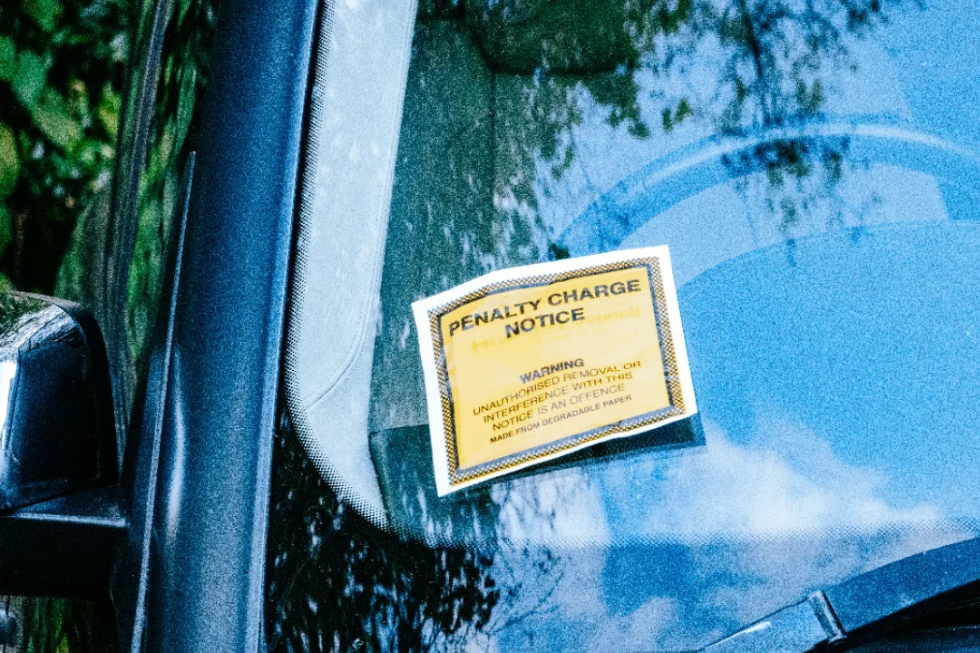
Residents in parts of Annapolis say they are being fined $200 for parking in front of their own homes, a practice many say they have followed for more than two decades without issue.
The sudden wave of penalties has raised questions about urban parking regulations and the scope of municipal code violations, particularly as tickets were issued without prior warning.
Several residents told local outlet Eye on Annapolis that enforcement appeared to intensify in recent weeks. In some cases, vehicles were parked along the curb directly in front of their own driveways. Others were cited for cars positioned inside their driveways but slightly extending over sidewalks.
For families who have lived in the area for over 26 years, the shift has been abrupt.
Rising concerns over parking fines enforcement
The cost of the tickets, $200 each, has added to the frustration. One resident reported that three neighbours on the same street were fined within a short period.
Others described repeated citations. A resident posting online said they received three tickets in a single month, including one issued late at night.
The lack of prior notice has become a central concern. Residents say they were not informed of any change in parking fines enforcement, nor warned that long-standing parking habits could now result in penalties.
City response and questions around local government liability
Annapolis Mayor Jared Littmann said there had been no deliberate increase in enforcement activity. Instead, he suggested that enforcement may be driven by complaints from within the community.
“What we suspect is happening is that it might be increasing in certain parts of the city, based on customer responsiveness,” he said.
That explanation has done little to ease tensions. For some homeowners, the issue raises broader concerns about local government liability and consistency in rule enforcement.
Property constraints meet strict regulations
The issue is compounded by the size of modern vehicles. Many residents own larger SUVs and pickup trucks, which often exceed the length of older suburban driveways.
As a result, slight overhangs onto sidewalks or curbs are common, and now, potentially punishable under existing property rights law frameworks.
Residents argue that such enforcement does not reflect practical realities.
No clear resolution in sight
For now, there appears to be no immediate solution. Residents continue to voice concerns, both through local media and online platforms, as citations persist.
The situation highlights a growing tension between everyday living patterns and the strict application of urban parking regulations, a balance that cities across the United States may increasingly face.
Read also: Southwest Airlines faces FAA fine over drug and alcohol testing failures