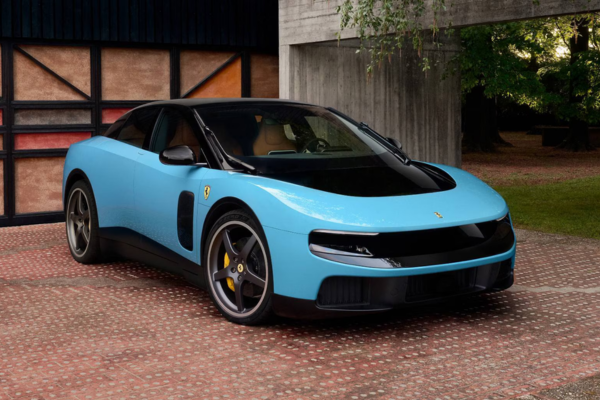
Ferrari’s first fully electric car has reportedly sold out for 2026, proving that strong demand can outweigh public criticism. Despite widespread debate over its design, buyers have continued to place orders, highlighting the enduring strength of the Ferrari brand.
According to the Financial Times, Ferrari has already met its first-year production target for the all-electric Luce, just two months after unveiling the model. Sources familiar with the matter said the Italian luxury carmaker planned to build and sell just under 500 units during its first year, with that allocation now reportedly fully reserved.
The achievement is significant because the Luce represents one of the biggest transformations in Ferrari’s nearly 80-year history. For decades, Ferrari has built its reputation on high-revving V8 and V12 engines, producing the distinctive sound that has become synonymous with the Prancing Horse. The Luce is the company’s first production model to replace that signature engine note with an all-electric powertrain.
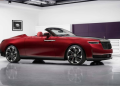
While demand has remained strong, the car’s launch sparked intense debate across the automotive industry. Much of the criticism focused on its unconventional styling, created under the direction of former Apple design chief Jony Ive. Many enthusiasts argued that the vehicle looked unlike a traditional Ferrari, with some critics comparing its appearance to the far less expensive Nissan Leaf.
The reaction extended beyond social media. Following the unveiling, Ferrari’s share price came under pressure as investors assessed the company’s electric future. Former Ferrari chairman Luca di Montezemolo publicly questioned whether the model deserved to wear the Ferrari badge, while Lamborghini’s CEO reaffirmed confidence in his company’s decision to delay its own electric supercar programme.
Industry attention also increased after Ferrari’s long-serving marketing chief departed the company shortly after the Luce’s debut, ending a 16-year career with the luxury manufacturer. Although Ferrari did not link the departure to the vehicle’s launch, the timing attracted widespread speculation.
However, sales figures suggest customers have remained focused on Ferrari’s exclusivity rather than online criticism. Unlike mass-market manufacturers, Ferrari deliberately limits production to preserve rarity and long-term value. The company delivered 13,640 vehicles worldwide in 2025, making it one of the smallest premium automakers by volume.
The Luce reflects that exclusive strategy. The electric grand tourer carries a starting price of €550,000 (approximately US$633,000), placing it firmly within the ultra-luxury segment. Rather than chasing high sales volumes, Ferrari aims to offer limited production while maintaining high demand among collectors and loyal customers.
Reports also indicate Ferrari plans to sell around 2,500 Luce models by 2030, averaging roughly 600 vehicles annually as production gradually increases. That target remains achievable, particularly as manufacturing of new premium electric models typically ramps up over several years.
The Luce’s early sales success may also reassure investors who questioned whether Ferrari could successfully enter the electric era without weakening its identity. Although the design continues to divide opinion, early buyers appear willing to embrace Ferrari’s next chapter.
For Ferrari, the lesson is clear. Online criticism does not always translate into weak sales. In the world of ultra-luxury automobiles, exclusivity, heritage and brand loyalty continue to influence purchasing decisions more than social media reactions.
Read also: Ferrari Luce review: Why Jay Leno thinks the new supercar lacks Ferrari identity