Honda has stopped selling its only battery-electric vehicle in the United States, leaving customers without a fully electric model from one of the world’s biggest car manufacturers. The decision reduces the number of mainstream EV options available to American buyers at a time when competition across the electric vehicle market continues to intensify.
The move means customers visiting Honda dealerships in the US can no longer purchase a new fully electric Honda. For consumers planning to switch from petrol-powered vehicles to electric mobility, the decision narrows the list of available choices from trusted legacy brands.
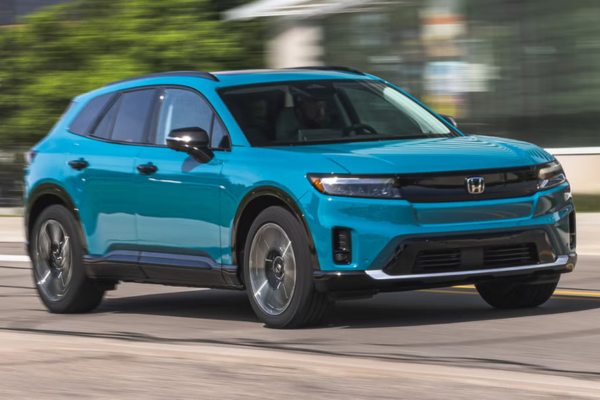
Honda’s only fully electric offering in the American market was the Prologue, an SUV developed through a partnership with General Motors. The vehicle was built on GM’s Ultium electric vehicle platform, allowing Honda to enter the EV market without developing an entirely new architecture from scratch.
Despite being well received by many owners and emerging as one of Honda’s strongest-selling electric models in the United States, the company has now decided to discontinue the vehicle. Industry observers believe the partnership with General Motors may have limited Honda’s profit margins, making it difficult to achieve long-term commercial success.
The withdrawal also reflects the growing pressure facing traditional vehicle manufacturers as the global automotive industry accelerates towards electrification. While newer EV manufacturers have expanded rapidly and Chinese automakers continue to strengthen their global presence, several established brands have slowed product launches, delayed investment plans or adjusted their electric vehicle strategies following fluctuating market demand.
Automotive analyst and EV commentator The Electric Viking described Honda’s decision as another example of the difficult transition many legacy manufacturers are experiencing. According to the analysis, companies that entered the electric vehicle market later than their rivals are finding it increasingly challenging to compete on technology, production costs and pricing.
Some Honda customers expressed disappointment following the announcement. One Prologue owner described the decision as “sad to see,” adding that despite sharing General Motors’ engineering, the vehicle remained enjoyable to drive and met expectations as a practical electric SUV.
The timing comes as the US electric vehicle market continues to evolve. According to industry data, EV sales in the United States have continued to grow over recent years, although growth has become less predictable as manufacturers adjust production volumes, governments review incentive programmes and consumers weigh higher upfront costs against long-term savings.
Honda has not announced an immediate replacement for the Prologue in the United States. As a result, buyers looking specifically for a Honda-branded battery-electric vehicle must either wait for the company’s next generation of EVs or consider alternatives from competing manufacturers already offering electric models.
The decision could have wider implications for consumers. Fewer vehicles in the market often translate into reduced competition, potentially limiting price reductions and consumer choice. Buyers comparing driving range, charging technology, safety features and ownership costs now have one less mainstream option to evaluate.
Electric vehicles continue to offer significant long-term benefits for many motorists. Compared with conventional petrol or diesel vehicles, battery-electric models generally require less routine maintenance because they have fewer moving parts. Many owners also enjoy lower running costs through reduced fuel and servicing expenses, while government incentives remain available in some regions.
For Honda, the withdrawal marks a temporary step back rather than the end of its electric ambitions. The company has repeatedly stated its long-term commitment to electrification and carbon neutrality. However, until a new electric model reaches US dealerships, Honda risks losing momentum in one of the world’s fastest-changing automotive markets.
As global competition intensifies and consumer expectations continue to rise, automakers face increasing pressure to deliver affordable, profitable and technologically advanced electric vehicles. Honda’s next move will be closely watched by customers, investors and competitors alike.
Read also: Honda EV strategy under fire as old guard challenges CEO leadership