Drivers looking to cut fuel costs and embrace cleaner motoring are turning in growing numbers to electric vehicles and Toyota is now reaping the rewards.
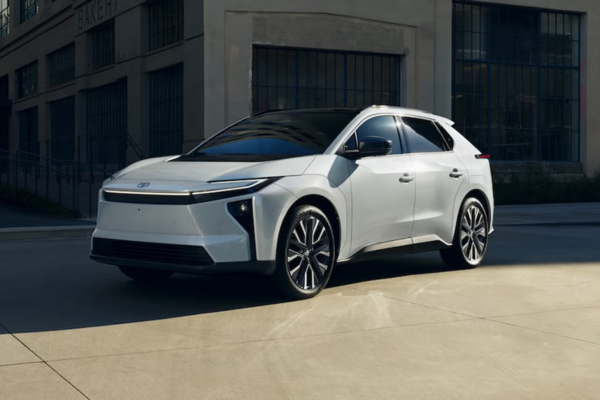
The Japanese carmaker has recorded a sharp rise in demand for its latest electric SUV, the Toyota bZ electric SUV. Sales climbed to 10,029 units in the first three months of 2026, marking a 78.8% increase compared with the same period last year.
The surge places Toyota ahead of a key rival, the Chevrolet Equinox EV, which sold 9,589 units over the same period, a decline of 7.2%. The shift signals a notable change in momentum in the increasingly competitive electric vehicle market.
For consumers, the appeal is clear. Electric vehicles are significantly cheaper to run than petrol or diesel cars, with lower maintenance costs and no need for expensive fuel. Many drivers also benefit from charging at home, where electricity prices are often lower than public charging rates.
Toyota’s strong performance follows a series of improvements to its electric line-up. The latest bZ model offers a 25% increase in driving range compared with its predecessor, addressing one of the most common concerns among EV buyers.
The vehicle also supports the North American Charging Standard (NACS), giving drivers access to Tesla’s extensive Supercharger network. This expansion in charging infrastructure is seen as a critical factor in boosting consumer confidence.
Charging speeds have also improved. The SUV can recharge from 10% to 80% battery capacity in around 30 minutes using fast-charging technology, making long-distance travel more practical.
Industry analysts say the progress reflects Toyota’s willingness to respond to earlier criticism of its electric offerings. Previous models had struggled to compete with rivals on range and performance, but the latest updates appear to have closed that gap.
The development is particularly striking given last year’s rankings. The Equinox EV was among the top three best-selling electric vehicles in the United States, behind the Tesla Model Y and Tesla Model 3. Toyota’s electric SUV, by contrast, did not feature in the top ten.
Now, the tide appears to be turning. Early customer feedback suggests the new model strikes a balance between affordability, size, and design, qualities that are proving decisive for mainstream buyers.
As fuel prices remain volatile and environmental concerns grow, affordable long-range electric vehicles such as Toyota’s bZ are expected to play a central role in accelerating the transition away from traditional engines.
Read also: Best fuel-efficient cars in 2026: Toyota Prius, Civic, Camry ranked high


![Tesla [Reuters]](https://autojournal.africa/wp-content/uploads/2026/04/Tesla-Reuters-350x250.png)









![Air crashes in 2025 [source The New York Times]](https://autojournal.africa/wp-content/uploads/2025/11/air-crashes-in-2025-source-The-New-York-Times-120x86.png)