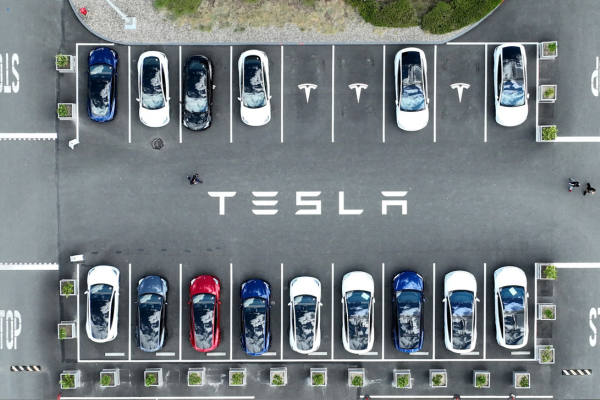
Tesla is confronting one of its most serious legal challenges to date, with potential liabilities estimated at up to $14.5bn. The electric vehicle giant is now facing a broad mix of lawsuits, regulatory actions, and federal claims.
The cases range from wrongful death allegations to claims of securities fraud and vehicle defects.
Legal analysts say the outcome could reshape how Tesla’s self-driving technology is judged in court.
At the centre of many disputes is Tesla’s Autopilot and Full Self-Driving systems. Critics argue the company overstated the capabilities of its technology to consumers.
From courtroom wins to costly setbacks
Tesla is currently dealing with around 21 separate categories of litigation. These include class actions, individual injury claims, and regulatory investigations. Estimated financial exposure ranges from $2.7bn to as high as $14.5bn. That upper figure reflects worst-case outcomes across multiple ongoing cases.
In 2024, Tesla initially secured a legal win by arguing that some statements were “corporate puffery”.
This defence suggested Elon Musk’s claims were promotional rather than literal promises.
However, momentum shifted in August 2025 after a major courtroom defeat. A jury awarded $243m in damages following a fatal 2019 Autopilot crash.
An appeal attempt was rejected, strengthening confidence among other plaintiffs. Tesla has since begun settling similar claims rather than continuing prolonged battles.
Autopilot and Full Self-Driving under pressure
The most significant legal pressure now comes from Autopilot-related fatalities and crashes.
These cases are increasing as more vehicles use advanced driver assistance systems. Several lawsuits allege Tesla misled customers about Full Self-Driving capabilities. Others focus on hardware limitations in earlier systems, including HW3 computers.
Additional claims extend beyond driving technology. Tesla also faces accusations of securities fraud linked to its Robotaxi announcements. There are further allegations involving workplace discrimination at the Fremont factory. Together, these cases create a wide and complex legal front.
Financial strength tested, but reputational risk rising
Despite the scale of the lawsuits, Tesla holds around $40bn in cash reserves. This gives the company capacity to absorb large settlements or judgments. However, analysts warn the impact goes beyond financial resilience. Ongoing litigation could weaken investor confidence and slow future growth.
Tesla is also reporting softer sales and tighter earnings conditions. At the same time, competition from Chinese EV makers such as BYD is intensifying globally.
The reputational stakes are equally significant. Court cases increasingly question whether Tesla’s technology is as safe as marketed.
Trust, regulation, and the future of self-driving
The lawsuits also signal rising scrutiny from regulators and the public. They suggest growing concern that Tesla may not be meeting safety expectations.
That perception is particularly important as Tesla bets heavily on autonomy and Robotaxis.
Any loss of trust could slow adoption of its future mobility plans. Broader concerns extend to the electric vehicle transition itself. Reduced confidence in leading EV brands could slow efforts to cut transport emissions.
What happens next?
Tesla has limited options for addressing past statements and product claims. Many of the legal challenges stem from earlier promises and technology rollouts.
Recent settlements suggest a shift in strategy. The company appears more focused on reducing risk exposure than contesting every case.
Legal experts say the coming years will be decisive for Tesla. The outcome of these lawsuits may define how self-driving technology is regulated worldwide.
Read also: Buy it, but don’t sell it: Tesla enforces $50,000 resale penalty on limited Model S and X