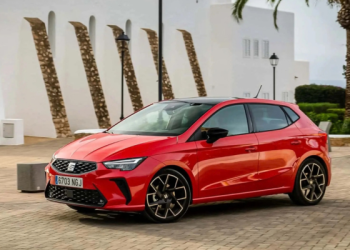
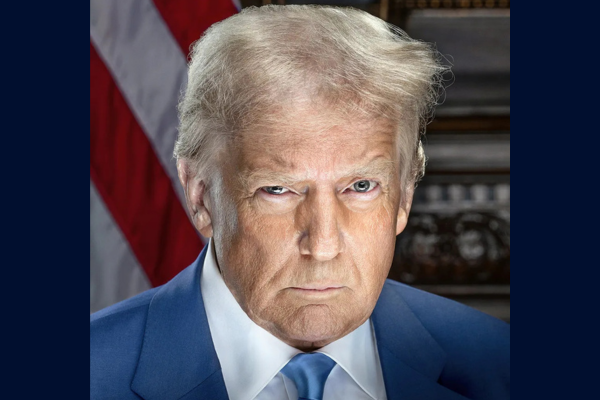
U.S. President Donald Trump said he will raise tariffs on European Union cars and trucks to 25% next week, escalating a transatlantic trade dispute and rattling global automakers already navigating uncertainty.
The increase, up from a previously agreed 15%, comes as Trump accuses the EU of failing to meet its obligations under a bilateral trade deal. European officials swiftly rejected the claim, warning of possible retaliation.
The move highlights rising tensions not just over trade, but over broader geopolitical disagreements, including the war in Iran and defense commitments in Europe.
Auto Tariffs and Trade Agreement Compliance
Trump said the tariff hike would generate “billions of dollars” for the United States while forcing European manufacturers to accelerate cross-border manufacturing investment into U.S. plants.
“It is fully understood… if they produce Cars and Trucks in U.S.A. Plants, there will be NO TARIFF,” he said.
However, the European Commission disputed Washington’s position, saying implementation of the agreement has been delayed by legislative processes rather than refusal. EU lawmakers are still finalizing measures to reduce tariffs, with completion expected in June.
Trade experts say the dispute underscores tensions around international trade law, where timing and interpretation often fuel conflict.
Automotive Supply Chain Under Pressure
The announcement sent immediate shockwaves through the automotive supply chain, with shares of major U.S.-listed automakers declining. Ford dropped as much as 2.4%, Stellantis fell 3.3%, and General Motors slid 1.5%.
Automakers are now weighing whether to shift production or delay investment decisions altogether.
Privately, companies have told U.S. officials they are unlikely to make major manufacturing changes until there is clarity on the future of North American trade agreements, particularly the pending review of the U.S.-Mexico-Canada framework.
Europe Signals Possible Retaliation
European leaders reacted sharply. Bernd Lange, chair of the European Parliament’s trade committee, called the move “unacceptable” and warned it undermines trust between long-standing allies.
Economists and industry leaders in Germany have urged Brussels to respond firmly, including the possibility of retaliatory tariffs or taxes targeting U.S. firms.
“The German government and the European Commission must now finally show some backbone,” said Marcel Fratzscher of the DIW economic institute.
Investment Decisions Hang in the Balance
Despite tensions, European automakers already maintain significant U.S. operations. Mercedes-Benz recently announced plans to invest $4 billion in an Alabama plant through 2030, part of a broader $7 billion U.S. expansion strategy.
Still, tariffs are already weighing on profitability. The company reported that operating profit fell sharply, partly due to €1 billion in tariff-related costs.
Analysts say prolonged uncertainty could reshape global manufacturing patterns, as firms reconsider where to build vehicles and how to structure supply chains.
A Fragile Trade Relationship
The tariff escalation comes amid broader geopolitical strain. Trump has criticised European allies over defense contributions and threatened troop reductions in key countries, adding another layer of friction.
For now, both sides appear locked in a high-stakes standoff. While there remains a window for negotiation before the tariffs take effect, the risk of escalation is rising.
Read also: Profits on paper: Automakers book billions in tariff refunds, but cash remains uncertain