American car buyers could soon pay less for electric vehicles, following a new trade agreement between the United States and South Korea.
The deal reduces tariffs on vehicles and components, easing costs for manufacturers and consumers alike. Industry analysts say the move could lower EV prices by several thousand dollars over time. For buyers already squeezed by inflation, that relief may arrive at a crucial moment.
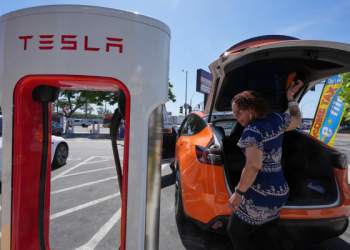
Electric vehicles are growing rapidly across the US market. Forecasts suggest EVs could account for nearly 50% of new car sales by 2030. Yet rising production costs, trade barriers, and shrinking incentives have slowed momentum for some brands.
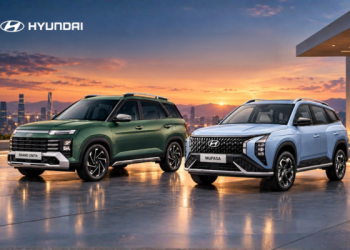
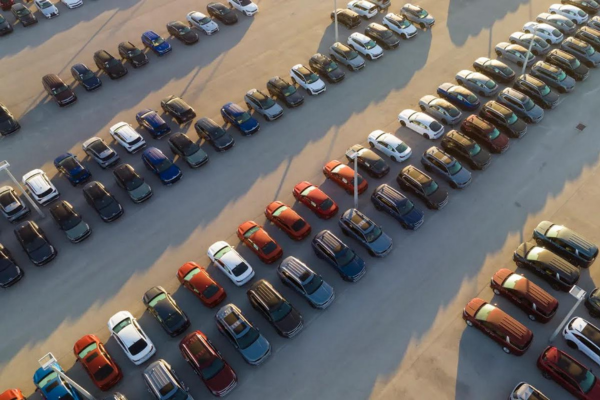
The tariff cuts are expected to ease pressure on Korean manufacturers, especially Hyundai. The company plans to ship close to one million vehicles to the US in 2026. It also aims to build 80% of its US-sold cars locally by 2030, creating jobs and stabilising supply.
Hyundai executives say the brand is already on course for another record year. North America chief executive Randy Parker said sales are running at historic levels. If sustained, 2025 would mark the fifth consecutive year of record-breaking growth.
For consumers, the benefits extend beyond the showroom. Electric vehicles cost less to run, with fewer moving parts and no fuel bills. The US Department of Energy estimates EV owners save up to $1,000 annually on fuel and maintenance combined.
Environmental gains remain central to the shift. EVs produce zero tailpipe emissions, improving urban air quality and reducing carbon output. As electricity grids add more renewable energy, those benefits are expected to deepen.
US officials framed the agreement as both economic and strategic. Commerce Secretary Howard Lutnick said South Korea’s investment strengthens American jobs and industry. He added that the partnership reinforces long-term supply chain resilience.
With tariffs falling and production rising, analysts say EV adoption could accelerate faster than expected. For millions of American drivers, the electric transition may soon feel less expensive — and more achievable.
Read also: GM engineers drive 5,000 miles to fix a real-world EV charging problem