California has spent about $70 million helping nearly 12,000 residents buy electric vehicles since August. But the state’s EV market share is still falling, raising questions about whether local rebates can offset the loss of federal support.
The state said on Friday that 11,806 new electric vehicles and 132 used vehicles had been bought under its new $270 million rebate programme.
The scheme gives first-time EV buyers up to $3,500 off a new electric car and $1,750 off a used one.
Yet EVs made up just 18% of California’s vehicle sales through September 30. That compares with 23% last year and 25% in 2024.
The drop comes as President Donald Trump’s administration has ended federal tax credits for EV buyers and reduced support for charging programmes.
California EV rebates: How the $270m programme works
Governor Gavin Newsom signed the rebate programme into law in July. It offers a $3,500 rebate on new electric vehicles with retail prices of up to $50,000. Buyers of used EVs costing no more than $25,000 can receive $1,750.
The scheme targets California residents buying their first electric vehicle. Funding comes from both the state and automakers. Each side has committed $135.5 million, bringing the combined amount to $271 million, described as a $270 million programme.
So far, about $70 million has been spent, leaving $200 million available. The programme comes after California’s earlier rebate scheme ended in 2023. That initiative spent $1.49 billion to support 586,000 EV purchases over a decade.
Tesla EV sales lead as automakers compete for buyers
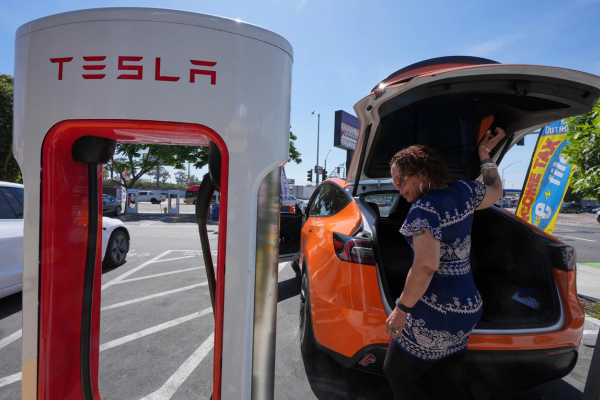
Tesla remains the largest beneficiary of the new programme by vehicle count.
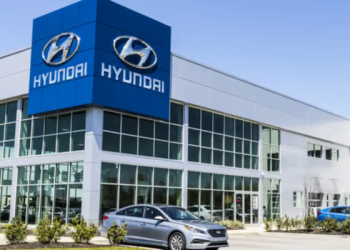
Of the nearly 12,000 EVs bought under the scheme, 5,658 were Tesla vehicles. Hyundai accounted for 1,700 purchases, while Toyota recorded nearly 1,400. General Motors had 1,100 vehicles bought through the programme.
Tesla also accounts for more than half of all EVs sold in California, according to the state.
However, no rebate funds remain for Tesla models under the current programme. Other participating brands include Ford, Honda, Kia, Lexus, Lucid, Rivian, Subaru and Volvo.
Nissan has joined the scheme, while Mitsubishi Motors is expected to begin participating in November.
The broad list of automakers shows how state support has become part of the market for electric vehicles.
EV tax credits 2026: Federal policy adds pressure
California’s rebate programme comes as federal support for electric vehicles has weakened.
Trump signed legislation in 2025 ending the $7,500 federal tax credit for new EVs and the $4,000 credit for used models.
The removal of those incentives has contributed to lower EV sales across the United States.
The administration has also taken steps against California’s plan to phase out sales of new gasoline-powered cars by 2035.
In June 2025, Trump signed legislation targeting the state’s EV rules, which had been adopted by nearly a dozen other states.
California has sued to challenge the procedure used to reverse those rules.
The administration has also finalised changes that will save automakers billions of dollars previously spent buying regulatory credits from Tesla and other companies.
Electric vehicle market outlook: Can rebates lift demand?
The outlook for electric vehicles remains mixed. EV sales are rising globally, helped by higher oil prices. But demand has weakened in California and across the United States following the removal of federal incentives.
California still has $200 million in rebate funding available. That gives the state room to support more purchases.
For automakers, the key issue is whether those rebates can help sustain sales as federal policy moves away from electric vehicles.
For consumers, the question is simpler: Will state support make an electric car affordable enough to buy?
And for California, the test is whether a $270 million programme can help reverse a decline in EV market share.
Read also: Skywell suspends UK sales after importer closure exposes risks facing Chinese EV brands