Ford is preparing to refresh its European vehicle line-up with new electric cars, hybrid crossovers and a rugged Bronco SUV, as competition intensifies across the region.
The strategy could give drivers more choice as manufacturers respond to stricter emissions rules and growing pressure from Chinese electric vehicle brands. However, some of Ford’s planned models may not reach showrooms until 2028 or 2029, raising questions about whether the company can move quickly enough to regain ground.
The plans highlight a major challenge facing established carmakers: developing attractive, affordable vehicles while controlling costs and keeping pace with faster-moving rivals.
Ford targets Chinese rivals with five new European cars by 2029
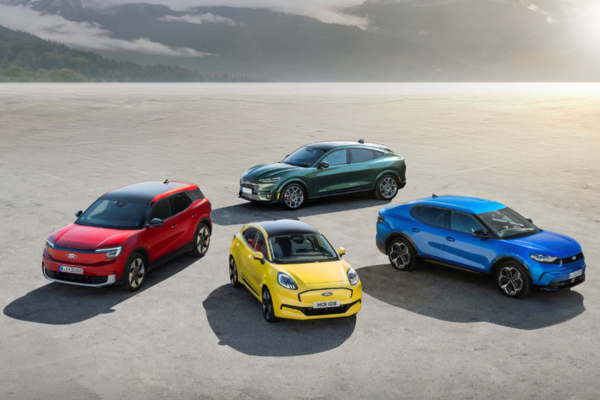
Ford plans to introduce five all-new passenger vehicles in Europe by the end of 2029, combining electric power, rugged styling and multiple powertrain options. The company hopes the new range will help restore its appeal among European drivers while making its vehicles more competitive against Chinese manufacturers.
The planned line-up includes a compact SUV from the Bronco family, a small electric hatchback, a small electric SUV and two crossovers designed around Ford’s rally heritage. The company says the vehicles will be developed for European customers, with an emphasis on distinctive design, driving enjoyment and everyday practicality.
However, the wait could be significant for buyers looking for new models. Ford’s plans include vehicles arriving from 2028, while the full five-car line-up is expected by the end of 2029.
A new Bronco and more choice for drivers
One of the most notable additions will be a new compact member of the Bronco family, with production planned at Ford’s Valencia factory in Spain from 2028. The rugged SUV is intended to bring the Bronco name to more European customers, although final specifications, pricing and detailed launch dates remain to be confirmed.
Ford is also preparing two small electric vehicles: a hatchback and an SUV. Both are expected to draw on the company’s performance heritage while offering practical options for drivers navigating crowded cities and longer journeys.
The remaining two vehicles will be multi-energy crossovers, giving Ford scope to offer different powertrain options. The precise engine and electrification combinations have not yet been confirmed for every model.
For consumers, the strategy could bring a broader choice of vehicles suited to different budgets, driving habits and charging access. However, affordability will be crucial if Ford wants to attract buyers comparing its cars with lower-priced electric alternatives.
Partnerships could reduce costs and speed up development
Ford is increasingly relying on partnerships to improve its competitiveness in Europe. In December 2025, it announced an agreement with Renault to jointly develop two Ford-branded electric vehicles using Renault’s Ampere platform. Those vehicles are expected to reach showrooms in 2028.
In July 2026, Ford and China’s Geely announced plans for a manufacturing joint venture at Ford’s Valencia plant. The arrangement is expected to produce a new Ford crossover, the compact Bronco-family SUV and two Geely electric SUVs, with production scheduled to begin in 2028, subject to regulatory approvals.
Sharing vehicle platforms, manufacturing capacity and development resources can help reduce costs. It may also allow manufacturers to bring new models to market more efficiently than developing every component independently.
The challenge will be ensuring that collaboration does not weaken Ford’s distinctive identity. The company must still give customers compelling reasons to choose a Ford, particularly in a market where technology, price and product availability increasingly influence purchasing decisions.
Ford faces mounting pressure in Europe
Ford’s renewed product strategy comes after a difficult period for its passenger-car business. Reuters reported in May 2026 that the company sold about 426,000 passenger cars in Europe during the previous year, compared with more than one million annually a decade earlier.
That decline highlights the scale of the task facing the company. Chinese brands, including BYD and Chery, are expanding their European presence, putting pressure on established manufacturers to deliver competitive electric vehicles and attractive prices.
At the same time, European emissions requirements are influencing manufacturers’ product plans and investment decisions. Ford has argued that policymakers should recognise consumer demand for different technologies, including plug-in hybrids and extended-range electric vehicles, as the industry moves towards lower emissions
The company’s commercial-vehicle business remains an important part of its European strategy. Ford is also expanding connected services and software offerings aimed at helping businesses manage their vehicles and improve productivity.
Can Ford make drivers wait?
Ford’s planned line-up could help reconnect the brand with drivers who want distinctive styling, practical vehicles and enjoyable performance. The Bronco addition may appeal to SUV buyers, while the smaller electric models could help the company compete in segments where affordability and everyday usability matter most.
But the timing creates a difficult challenge. Chinese manufacturers are expanding quickly, and European rivals are already introducing new electric models and developing partnerships to improve their competitiveness.
Ford’s success will depend on more than the number of vehicles it announces. The company must deliver competitive prices, convincing technology and dependable launch schedules.
For European drivers, the potential benefit is greater choice across electric and other electrified powertrains. For Ford, the stakes are higher: this product revival must help turn years of declining passenger-car sales into a sustainable recovery.
The key question is whether Ford can bring the right cars to market before its competitors move further ahead.
Read also: Ford plans European comeback with new electric cars and rugged SUVs