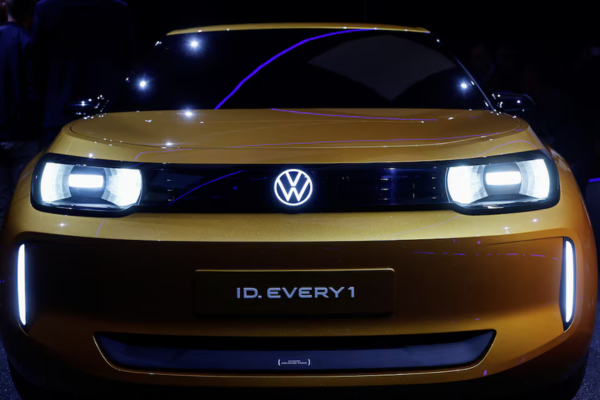
Volkswagen AG, Europe’s largest carmaker, announced plans to slash costs by 20% across all brands by 2028, a move aimed at countering rising production costs, US tariffs, and a challenging Chinese market. CEO Oliver Blume and CFO Arno Antlitz outlined the strategy at a closed-door executive meeting in Berlin in mid-January, signaling a “massive” corporate restructuring effort.
A Decade of Workforce Challenges
While the automaker emphasized that plant closures and operational layoffs are currently off the table, the broader workforce faces change: 35,000 jobs in Germany are expected to be cut by 2030. Volkswagen’s works council chief, Daniela Cavallo, stressed that social agreements would mitigate the human impact. The plan will consolidate management positions and production platforms, saving roughly 1 billion euros ($1.2 billion) over the next few years.
Investment in Technology Amid Cost Pressure
Despite cost-saving measures, Volkswagen continues to invest heavily in electric drives and software development, a dual-track strategy alongside combustion engine innovation. Expenditures on technology remain high, reflecting the company’s long-term commitment to low-emission and efficient vehicles.
Global Market Challenges
German automakers face mounting competition in China, where local rivals are driving a price war. Concurrently, U.S. tariffs add financial strain, reinforcing the urgency for Volkswagen’s cost reduction program. Mercedes-Benz has mirrored this approach, promising “relentless cost discipline” to protect profit margins.
Looking Ahead
Blume is expected to provide further updates at Volkswagen’s annual results press conference on March 10, as investors and employees alike await clarity on how the company will navigate the intersection of financial prudence, technological investment, and workforce stability.