A long-running dispute between United Airlines and Rolls-Royce has escalated into a public battle over engine exclusivity, supplier performance, and the future of one of aviation’s biggest aircraft orders.
United Airlines Chief Executive Scott Kirby criticized Rolls-Royce during the International Air Transport Association (IATA) annual meeting in Rio de Janeiro, arguing that the British engine maker benefits from its exclusive position as the sole engine supplier for the Airbus A350.
The remarks come as United’s order for 45 Airbus A350-900 aircraft remains effectively frozen following years of delays, changing fleet priorities, and an ongoing commercial dispute involving a $175 million advance payment.
“GE is the best, I think Pratt & Whitney is working hard, so I appreciate their attitude and what they’re doing, and my sentiment is that Rolls doesn’t care,” Kirby said.
The $175 Million SEC Filing Dispute
According to United’s SEC filings, the airline paid Rolls-Royce $175 million under a 2017 agreement intended to secure production slots and favorable long-term support arrangements.
United alleges Rolls-Royce failed to meet contractual obligations and is seeking repayment of the funds along with damages. Rolls-Royce rejects those claims.
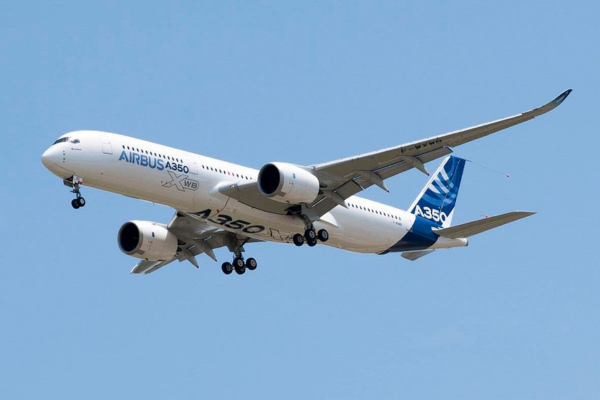
The dispute has become particularly significant because the Airbus A350 is powered exclusively by the Rolls-Royce Trent XWB engine. Unlike some competing aircraft programs, airlines selecting the A350 do not have the option of choosing another engine manufacturer.
Engine Monopoly Raises Industry Questions
Kirby’s criticism reflects broader concerns across the aviation industry about supplier concentration and limited competition.
The executive argued that exclusive engine arrangements reduce airlines’ bargaining power and make it harder to resolve disagreements over pricing, support, and maintenance services.
Industry pressure has intensified as airlines struggle with ongoing commercial aviation supply chain disruptions.
Aircraft Maintenance Contracts Under Strain
Kirby estimated that between 800 and 900 commercial aircraft are currently grounded worldwide due to engine shortages, maintenance delays, and supply-chain constraints.
Those challenges are affecting airlines globally and limiting growth opportunities across the sector.
The comments also highlighted the growing importance of aircraft maintenance contracts, which airlines increasingly rely on to keep fleets operational amid parts shortages and repair backlogs.
Widebody Fleet Strategy Shifts Toward Boeing 787
United’s long-haul planning has increasingly focused on the Boeing 787 Dreamliner fleet.
The airline says the 787 already serves a broad range of international routes while offering operational commonality that reduces training, maintenance, and spare-parts costs.
Combined with repeated A350 delays, legal disputes, and changing operational priorities, the carrier’s widebody fleet strategy now appears increasingly aligned with the 787 rather than the Airbus A350.
Read also: Rolls-Royce boss says staff are behind dramatic company turnaround