Two of Germany’s most prestigious car brands just posted their worst starts to a year in recent memory.
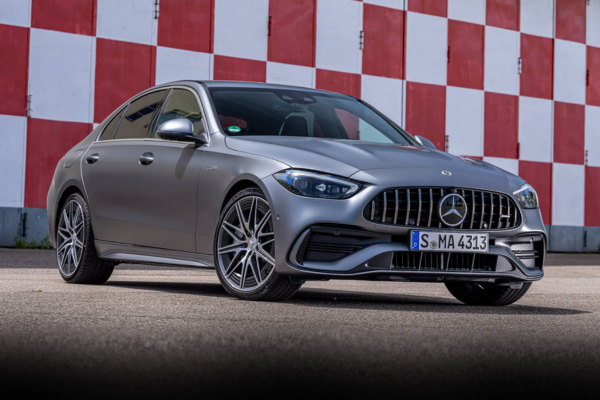
Mercedes-Benz reported a 6% drop in global first-quarter sales, down to 419,400 vehicles as a brutal 27% collapse in China wiped out solid gains everywhere else. Europe grew 7%. The U.S. bounced back 20% after a rough fourth quarter. None of it mattered as China swallowed the whole story.
Why Is China Crushing German Luxury Cars?
This isn’t bad luck but a structural shift. Chinese brands like BYD, Huawei-backed Aito, and Li Auto are building vehicles that look premium, load up on tech, and cost a fraction of what Mercedes charges. They’re winning a price war that Mercedes didn’t plan for and may not know how to fight.
Mercedes called 2026 a “transition year” for its China business, blaming part of the drop on phasing out older entry-level models before new ones arrive. That’s true but “transition year” is also corporate-speak for the brand we lost ground and are still figuring out how to get it back.
Porsche’s Numbers Are Even Worse
Porsche didn’t have a transition year. Porsche had a bad quarter. Global deliveries fell 15% to just 60,991 vehicles. China sank 21%, North America dropped 10%, hit partly by the end of U.S. tax incentives for electric vehicles. The only market showing growth was Germany, up 4%, which is the automotive equivalent of your hometown being the only people who still return your calls.
The company already paid 1.8 billion euros ($2.1 billion) last year to pivot away from electric vehicles and back to combustion engines after EV demand stalled. New CEO Michael Leiters is now promising a turnaround built on cost-cutting and fresh models. Board sales member Matthias Becker called the figures “overall in line with our expectations” which, given how bad they are, raises its own questions.
Why This Hits Your Wallet Directly
Here’s the part that matters beyond the boardroom. When premium EV competition in China forces German brands to cut prices, discount heavily, or retreat from segments entirely, residual values on used Mercedes and Porsche vehicles fall globally. If you own one, your asset is worth less. If you’re thinking about buying one, the calculus on depreciation just got more complicated.
For investors watching Mercedes-Benz stock, the China exposure is not going away. Nearly a third of global premium car sales happen in China. There is no “pivot away” from that number.
What Comes Next
Mercedes is betting on localisation, building and designing cars specifically for Chinese tastes rather than shipping European models east. It’s the right strategy but three years late.
Porsche is betting on Leiters and a cost discipline the brand has historically struggled to maintain. Both companies are, in essence, asking their investors for patience while Chinese rivals ask their customers for nothing more than a test drive.
Read also: Tesla storms back into Germany with massive sales jump

![Tesla [Reuters]](https://autojournal.africa/wp-content/uploads/2026/04/Tesla-Reuters-350x250.png)