Detroit’s biggest challenge may not be keeping Chinese electric vehicles out of America, but building better cars that can beat them.
That is the warning from Ford Motor Company Executive Chairman Bill Ford, who says the United States cannot depend on tariffs and trade restrictions forever. Instead, he believes American automakers must become more competitive if they want to protect their position in one of the world’s fastest-changing industries.
Speaking to The Wall Street Journal, Ford said the real battle lies in innovation rather than protectionism.
“We can’t keep them out forever, and we have to be able to beat them at their own game.”
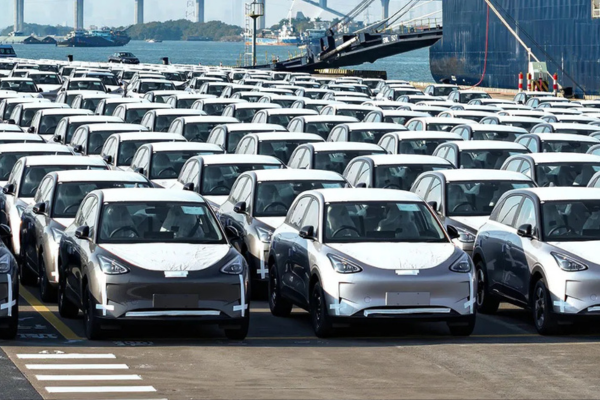
His comments come as Chinese automakers continue expanding rapidly across Europe, Latin America, Southeast Asia and other global markets. Companies including BYD and Geely have built strong reputations by offering technologically advanced electric vehicles at significantly lower prices than many Western competitors.
China is now the world’s largest producer and exporter of electric vehicles. The country’s manufacturers have benefited from years of investment in battery technology, large-scale production and integrated supply chains, allowing them to reduce manufacturing costs while introducing new models at a rapid pace.
Although the United States has imposed steep tariffs on Chinese-made electric vehicles to limit their entry into the domestic market, Ford believes those measures should not become the industry’s long-term strategy.
Instead, he argues that American manufacturers must prepare for a future where Chinese brands eventually gain greater access to North America, whether through direct imports or production facilities established in neighbouring countries such as Mexico or Canada.
The growing competition could ultimately benefit consumers.
Lower-priced electric vehicles would make EV ownership more accessible for millions of buyers. Increased competition could also accelerate improvements in battery performance, driving range, charging speeds and vehicle software, while encouraging manufacturers to deliver better value for money.
Ford is already taking steps to reduce production costs.
The company is developing a next-generation affordable electric pickup expected to cost around $30,000, making it one of Ford’s most accessible EVs. To achieve that target, the automaker is redesigning its manufacturing process by introducing gigacasting technology, simplifying vehicle wiring systems and adopting lithium iron phosphate (LFP) battery technology licensed from CATL.
These manufacturing improvements are designed to lower production costs without sacrificing quality, creating room for more competitive pricing.
Ford also called for greater consistency in US industrial policy.
He warned that vehicle development, battery investments and factory construction often take several years to complete, while government policies can change much more quickly.
“Our lead times are longer than political lead times,” Ford told The Wall Street Journal, stressing that unpredictable policy changes make long-term investment decisions more difficult.
His remarks reflect a broader debate taking place across the global automotive industry.
Many Western automakers are facing pressure from Chinese rivals that have mastered affordable battery technology, faster product development and software-driven vehicle design. Rather than relying solely on trade barriers, Ford believes sustained investment in manufacturing innovation, cost reduction and product quality will determine who leads the next generation of mobility.
For consumers, stronger competition could deliver significant benefits. More affordable electric vehicles, lower running costs, reduced maintenance expenses and faster technological advancements would make the transition away from petrol and diesel vehicles easier for more households.
Bill Ford’s message is clear. Trade barriers may slow competition, but they cannot stop it forever. The future will belong to the companies capable of building better, more affordable electric vehicles that customers genuinely want to buy.
Read also: Ford’s compact electric pickup could change the future of affordable EV trucks