Italy is emerging as one of Europe’s weakest adopters of electric cars, raising questions about whether the country’s transport future will be fully electric—or remain hybrid-dominated.
A visit to Italy by YouTuber Andrew Till, known as Mr.EV, has highlighted a complex mix of infrastructure limits, housing realities, and cost concerns that are slowing EV adoption in the country.
EV adoption in Europe vs Italy market gap
Across Europe, electric vehicles reached 17.4% market share in 2025, reflecting steady growth driven by incentives and charging expansion. Italy, however, stands far behind at just 6.2% EV adoption, with approximately 283,000 electric vehicles on the road.
According to Till, the gap is not due to resistance to electric cars themselves but to practicality.
“The Italians I speak to are genuinely open to the idea, but take a lot of convincing that it could work for them practically,” he said.
Electric vehicle charging infrastructure challenge
One of the biggest barriers is structural. Around half of Italy’s population lives in apartments, especially in cities like Rome. This creates a major obstacle for home charging.
“In Rome, where most people live in apartments without assigned parking, that’s not an option,” Till explained.
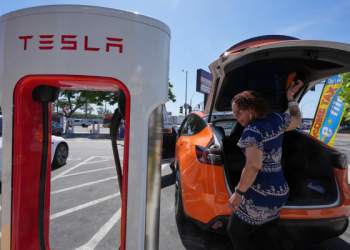
Unlike countries such as the UK, where overnight home charging has driven EV adoption, Italy’s urban layout makes private charging difficult, pushing drivers toward public charging networks that are still developing.
hybrid vehicles market dominance in Italy
The result has been a strong preference for hybrids. “Hybrids feel like the natural stepping stone right now,” Till said. “People are interested in electrification, but want the security of a petrol engine as a fallback.”
This has positioned Italy as a hybrid-first market rather than a fully electric one, at least in the short term.
Fiat electric vehicles pricing pressure and BYD expansion Europe
Cost is another critical factor shaping buying decisions. Despite strong national pride in brands such as Fiat, Italian consumers remain highly price-sensitive.
“What really drives purchasing decisions is cost,” Till said. “If a cheaper foreign car represents better value, Italians will buy it — and do.”
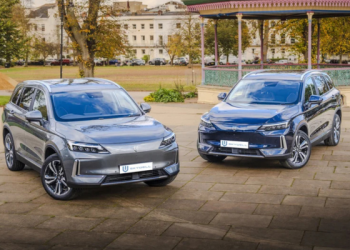
Chinese automaker BYD expansion Europe is already gaining traction in the market, challenging traditional European manufacturers with competitive pricing.
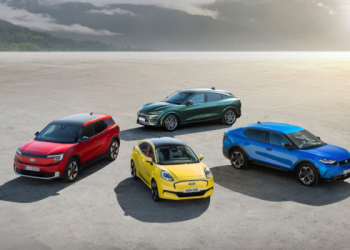
At the same time, Fiat’s smaller EV models struggle to compete on price in a market dominated by budget-conscious buyers who still prefer compact vehicles like the Fiat 500.
Electric vehicle charging infrastructure and policy gap
Beyond consumer preference, Italy also lags in charging infrastructure compared to countries like the UK. This creates a feedback loop: limited charging slows adoption, and low adoption reduces incentives for rapid infrastructure expansion.
As a result, Italy risks becoming a long-term hybrid stronghold while other European countries push further into full electrification.
For now, the evidence suggests Italy is not rejecting EVs outright—but adapting to a slower, more cautious transition shaped by housing, cost, and infrastructure realities.
Read also: Chinese “super-hybrid” SUV shocks US testers as political battle heats up